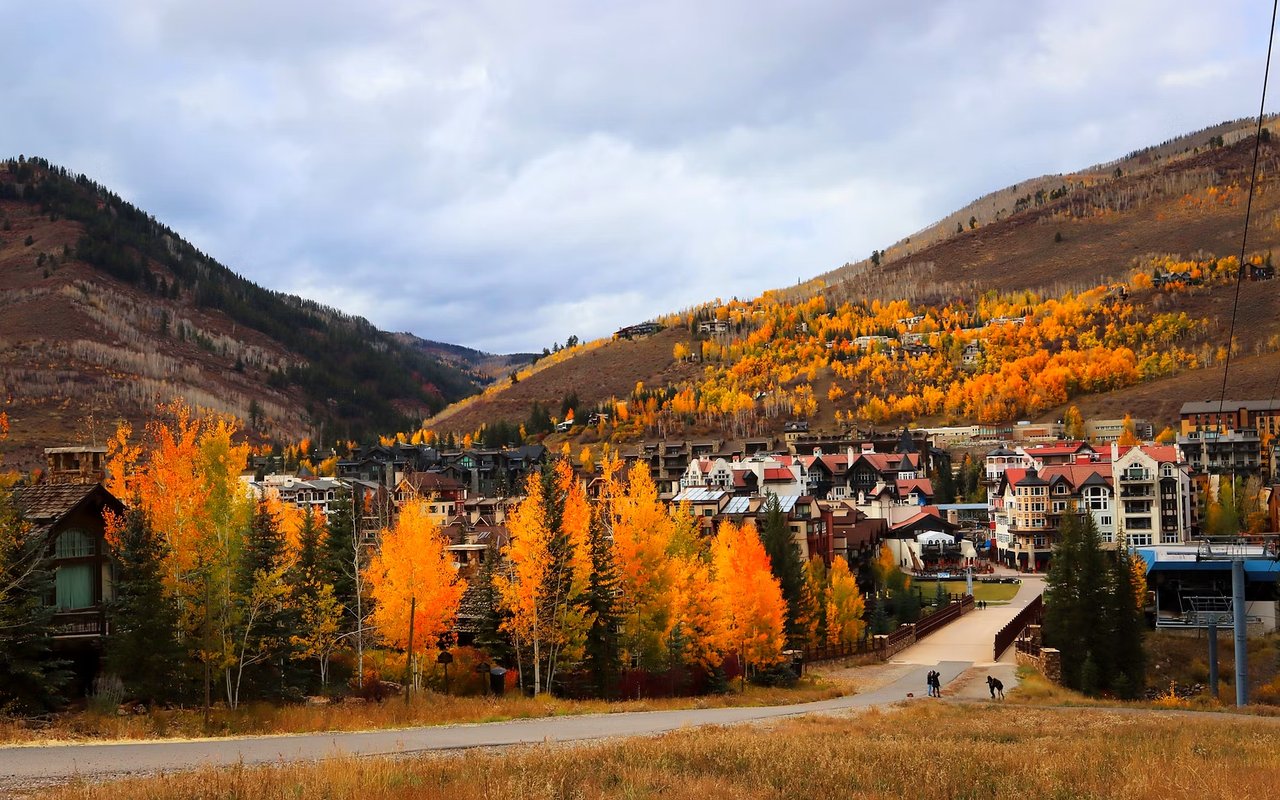
Walking through the different neighborhoods of the Vail Valley can feel like traveling through a timeline of mountain design. When I first moved to this region, I was struck by how the buildings were not just structures, but a reflection of the valley's history and its evolving relationship with the rugged terrain. From the European-inspired roots of the Village to the glass-heavy estates on the ridges, the variety of architectural styles in Vail creates a unique aesthetic that you won’t find anywhere else in the Rockies.
Tyrolean and Alpine Chalet Roots
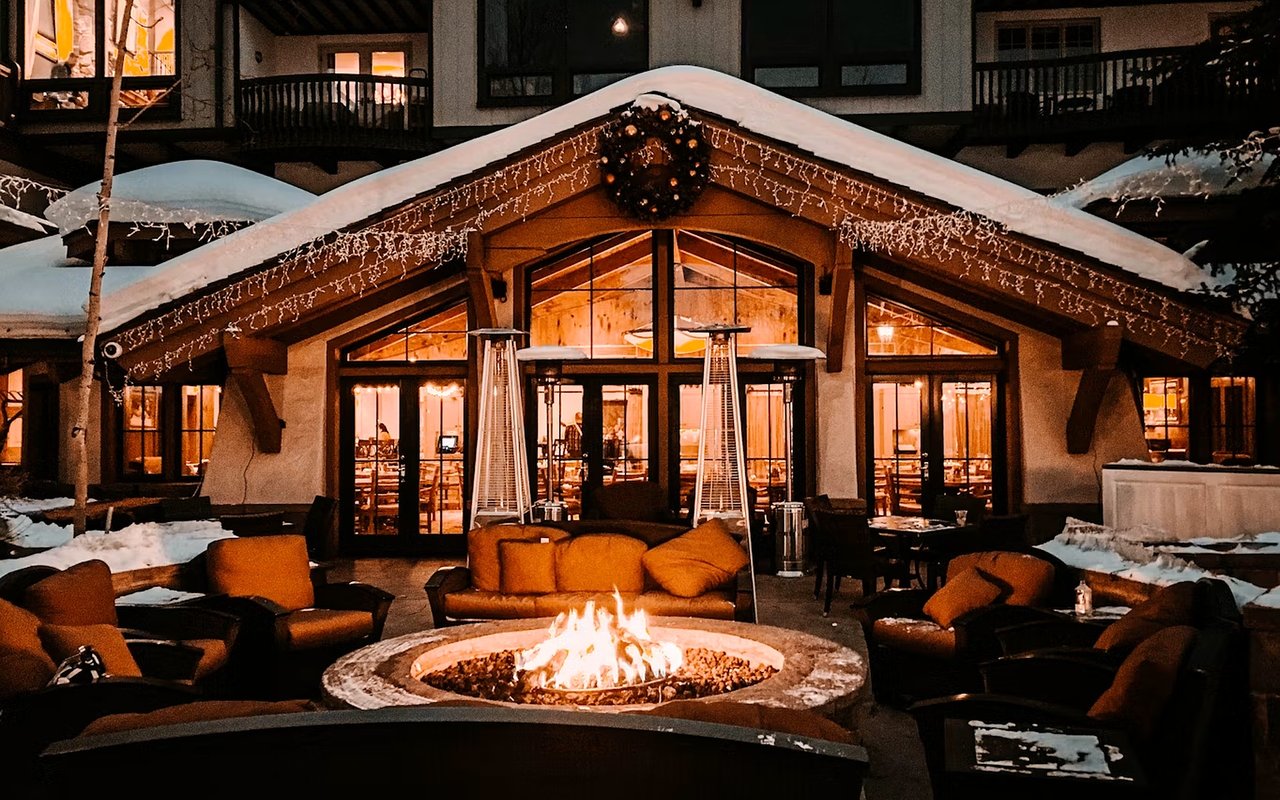
Vail was founded in 1962 with a specific vision: to recreate the charm of the Austrian and Swiss Alps. The founders, including 10th Mountain Division veteran Pete Seibert, modeled the town after European locations like Zermatt. The original structures in Vail Village feature the Tyrolean style, which is characterized by steep gabled roofs designed to shed heavy snow. You will often see decorative wood carvings on balconies, arched doorways, and white-washed stucco walls.
These buildings often include "Z-style" shutters and ornamental trim that evoke a sense of old-world craftsmanship. Many of the original lodges, such as the Hotel Gasthof Gramshammer, remain iconic symbols of this era. The overhangs on these roofs often extend significantly past the footprint of the building to provide sheltered space for wood storage or walkways.
The Era of Mountain Rustic
During the late 20th century, the aesthetic shifted toward Mountain Rustic to better reflect the rugged Colorado landscape. These homes emphasize raw, heavy materials like massive log pillars, hand-hewn cedar siding, and chimneys made from local river rock. The goal of this style is to integrate the structure into the forest floor, using earthy colors and textures that mimic the surrounding pines and aspens.
Inside these homes, you will typically find:
- Exposed Structural Trusses: Large timber beams that show the "bones" of the house.
- Massive Stone Hearths: Fireplaces that act as the central anchor of the great room.
- Natural Finishes: Widespread use of knotty wood and textured stone floors.
Contemporary Mountain Modern
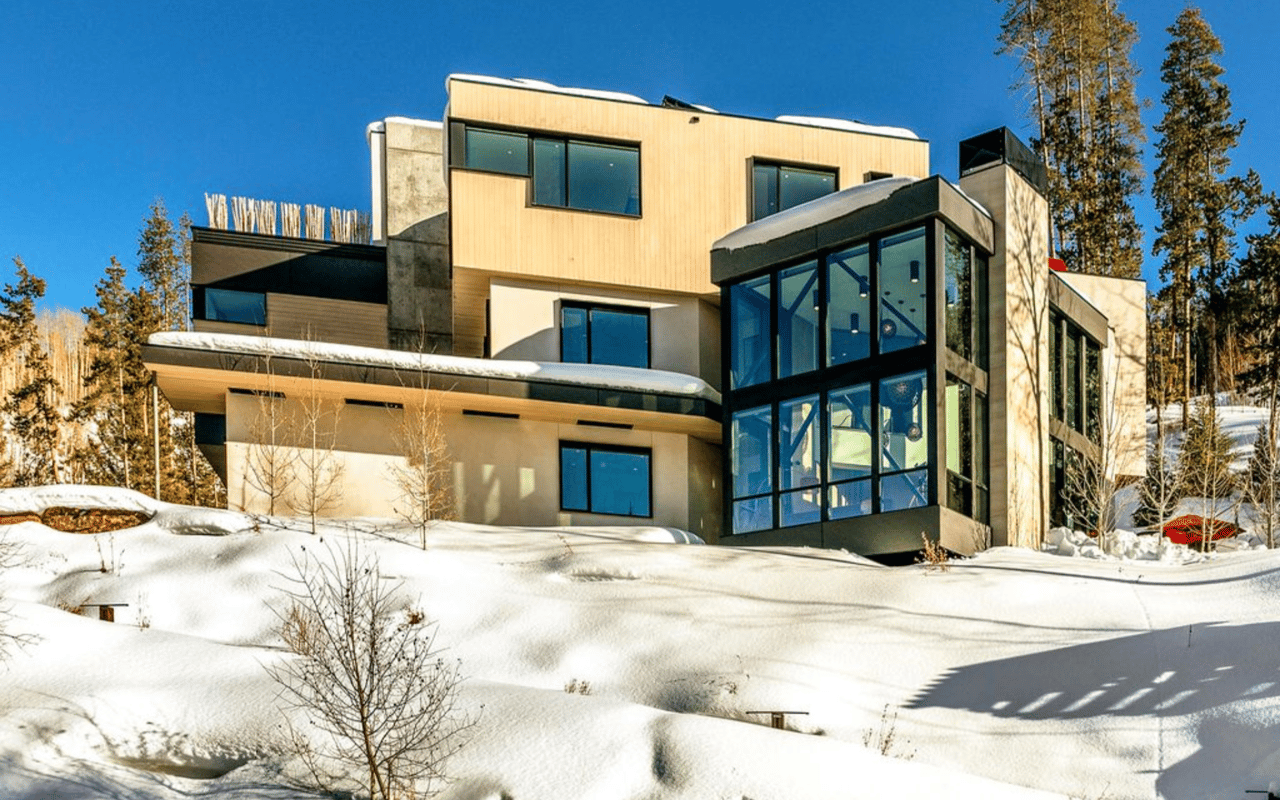
The most dominant style in the current Vail market is Mountain Modern. This architecture prioritizes "clean lines" and massive expanses of glass to blur the line between the indoors and the outdoors. These homes often feature flat or shed rooflines, steel support beams, and a mix of natural stone with sleek metal or wood rainscreens.
Key characteristics include:
- Floor-to-Ceiling Glass: Using high-performance windows to maximize Gore Range views.
- Cantilevered Elements: Structural sections that "float" over the hillside to minimize the building's footprint on the land.
- Open Floor Plans: A focus on flow and light that creates a bright, spacious feel even in winter.
Modern Farmhouse in the Valley
In neighborhoods like West Vail and Eagle-Vail, the Modern Farmhouse style has gained significant popularity. This style takes the traditional gable-roof silhouette and updates it with black-framed windows and white board-and-batten siding. It offers a cleaner, more approachable look than the heavy log styles of the past.
These homes often feature standing-seam metal roofs, which are highly effective at preventing snow build-up. The aesthetic is often finished with industrial-style lighting and natural wood accents on porches and entryways.
European Transitional Estates
Many of the larger estates in Bachelor Gulch and Beaver Creek follow a European Transitional style. This is a blend of old-world stone craftsmanship and modern interior luxury. These homes often feature turreted entryways, slate roofs, and limestone façades that recall French or English manor houses.
Inside, the floor plans are more open than a traditional castle, featuring vaulted ceilings and "great rooms." The style manages to feel both historic and current by using lighter wood tones and contemporary furnishings within a classic stone shell.
Sustainable and Eco-Alpine Design
A new style of "Eco-Alpine" architecture is emerging as environmental standards in Eagle County become more rigorous. These homes are defined by their efficiency and their use of advanced technology. You will see integrated solar arrays that follow the roofline and "living" green roofs that provide natural insulation.
Design features often include:
- Passive Solar Orientation: Placing windows to capture heat from the sun in the winter.
- Sustainable Materials: Utilizing reclaimed "ghost wood" or recycled metal.
- High-Performance Envelopes: Creating airtight structures that require minimal energy for heating.
The Influence of the Design Review Board
The Town of Vail Design Review Board (DRB) plays a major role in shaping the valley's look. The DRB ensures that every new project maintains a "unified design theme" and does not disrupt the natural beauty of the mountain setting. They have specific rules about light reflectivity on glass and the "LRV" (Light Reflectance Value) of exterior materials.
This oversight ensures that whether a home is ultra-modern or traditionally alpine, it still uses "earth-tone" materials like copper, weathered zinc, and local sandstone to blend into the topography.
Characteristics of High-Altitude Functionality
Beyond aesthetics, all architectural styles in Vail must function at 8,150 feet. Materials like wood and stone behave differently here due to the lack of humidity and intense UV rays. You will often see pre-weathered or thermally modified woods that won't warp in the dry air.
Stonework is typically installed with high-quality mortar that can withstand the "freeze-thaw" cycle that happens every day in the spring. These functional details are what allow the beautiful designs of the Vail Valley to withstand the test of time and the intensity of the mountain climate.
Find Beautifully Designed Homes in Vail
I believe that the variety of homes in our valley is part of what makes our community so vibrant. Whether you are drawn to the history of a Swiss-style chalet or the sleekness of a modern glass estate, there is a place for your vision here.
If you are curious about how to find a property that matches your personal taste within the Vail market, contact me anytime.