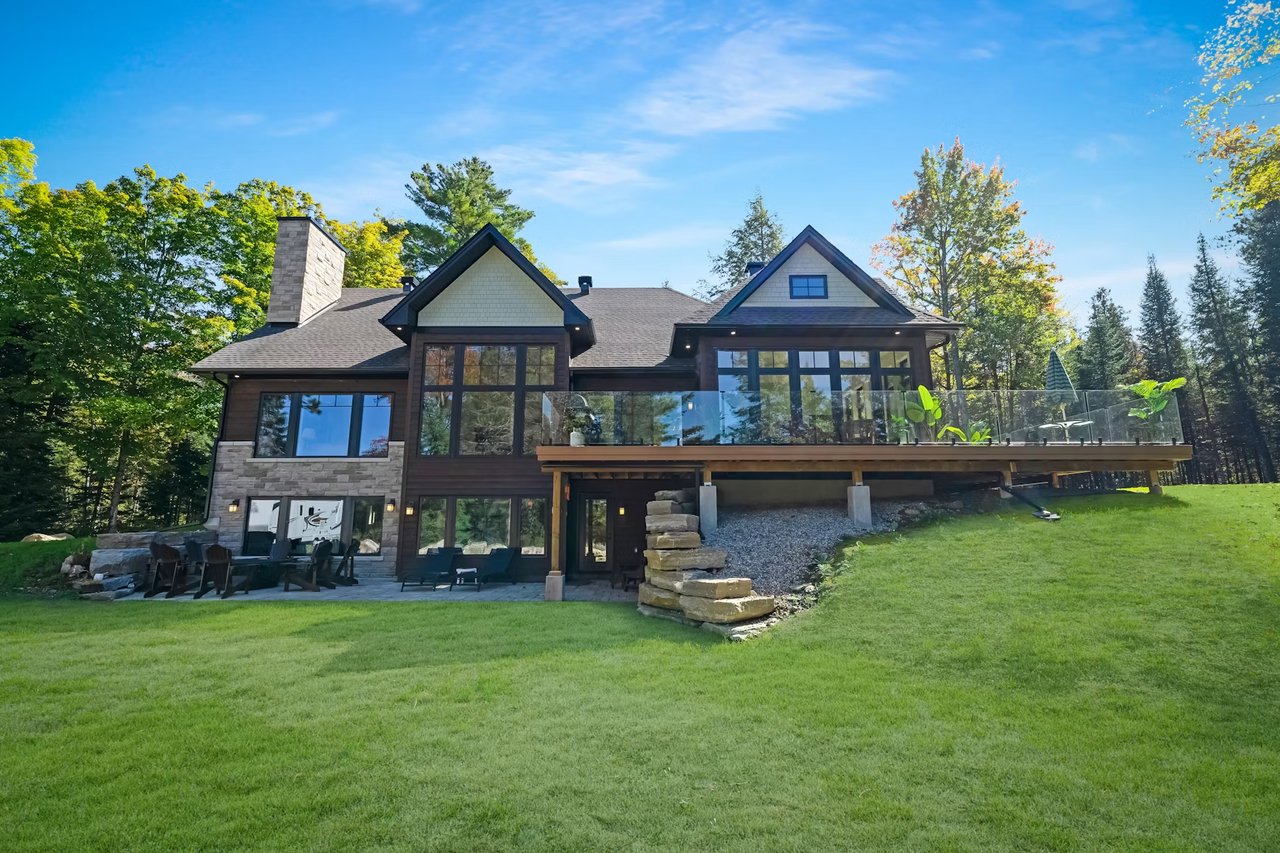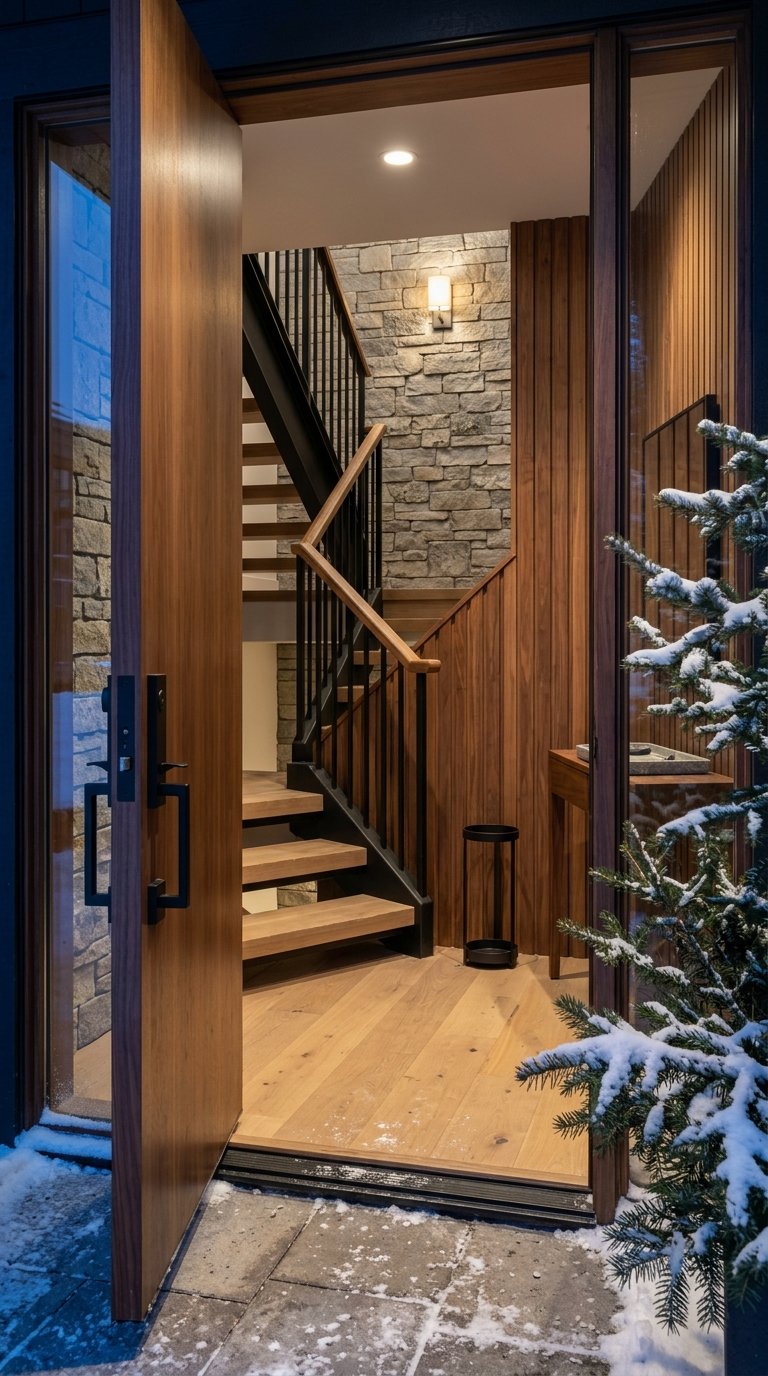
Wondering whether a condo or a townhome is the better fit in Edwards? It is a smart question, especially in a market where full-time residents, second-home owners, and lock-and-leave buyers often look at similar areas for very different reasons. If you understand how ownership, maintenance, HOA rules, and neighborhood setup can vary, you can make a more confident move. Let’s dive in.
Why this choice matters in Edwards
Edwards is an unincorporated community in Eagle County with a housing mix that supports both primary residences and second homes. The area had 11,246 residents in the 2020 Census, and recent Census data shows a 63.4% owner-occupied housing rate, which reflects a market shaped by both everyday living and part-time ownership.
That matters because in Edwards, a condo versus townhome decision is not just about square footage or price. It is often about how you want to live, how much upkeep you want to handle, and how the governing documents assign responsibility between you and the association.
Condos and townhomes are not always what they seem
One of the biggest misconceptions in Colorado real estate is that a townhome automatically works like a detached house, while a condo always means the HOA handles everything outside your walls. In practice, that is not always true.
Under Colorado’s Common Interest Ownership Act, the association is generally responsible for common elements, while the unit owner is responsible for the unit unless the declaration says otherwise. That means the real answer depends on the recorded HOA documents, not the marketing label on the listing.
Before you assume anything, you should confirm who handles the roof, exterior paint, snow removal, parking, storage, and any limited common elements. In Edwards, those details can change a lot from one community to the next.
Riverwalk shows the condo-style model
If you want the clearest local example of condo-style living in Edwards, Riverwalk is a strong reference point. It is a central district near Exit 163 with shopping, dining, and entertainment, and its own materials note drive times of about 14 minutes to Vail and 9 minutes to Beaver Creek.
From an ownership and lifestyle standpoint, Riverwalk reflects a more association-managed environment. Its rules address common areas, parking, signage, storage, noise, and even a requirement to maintain a minimum indoor temperature of 55 degrees in vacant units during heating season.
That kind of structure often appeals to buyers who want a simpler lock-and-leave setup. If you plan to come and go through ski season or use the home part time, a community with more formal management can make winter absences easier to handle.
Singletree and Homestead show the townhome-style contrast
For a different feel, Singletree and Homestead offer a useful comparison. These communities read more like residential enclaves, with a broader mix of housing and a more neighborhood-oriented setting.
Singletree says it includes nearly 1,000 homes and offers single-family homes, duplexes, townhomes, and condominiums. Its property owners association lists annual dues of $250 and has a design review process that covers exterior repainting, re-roofing, landscaping changes, solar, and tree removal.
Homestead spans 760 acres and includes about 835 residences. Its 2026 budget shows monthly owner dues of $115 for both lots and townhomes or condominiums, with funding allocated to building maintenance, grounds, snow removal, and landscape and open-space maintenance.
These examples show why townhomes in Edwards often sit in a middle ground. You may get more space and more of a neighborhood feel, but you still need to understand how much exterior control and shared maintenance comes with the property.
How maintenance responsibility really affects your decision
For many buyers, the biggest practical difference is not the floor plan. It is who handles what after closing.
If you prefer a more hands-off ownership experience, a condo or condo-like property may feel easier. In settings like Riverwalk, the association structure and rules can support a true arrive, unlock, enjoy, and leave pattern.
If you want more room and a more residential setting without taking on the full exterior workload of a detached home, a townhome can be a strong fit. But you should not assume the exterior, roof, or surrounding grounds are either fully yours or fully the HOA’s without reading the declaration.
HOA dues matter, but the budget matters more
It is easy to focus on the monthly HOA number. In reality, the better question is what that fee covers and whether the association appears financially prepared for future needs.
Colorado HOA guidance explains that regular assessments fund operating costs, while special assessments usually fund a specific repair or replacement. Dues can also rise as needed unless the governing documents place limits on increases.
That is why you should look beyond the headline fee. A lower monthly due is not always the better value if reserves are thin or major projects may lead to future assessments.
Local examples of layered costs
Edwards gives you real-world examples of how cost structures can vary. At Riverwalk, owners pay annual assessments in monthly installments, and the community also applies a separate civic assessment of one-half percent on sales, leases, or rentals.
That is a community-specific example, not a rule for every property in Colorado. Still, it is a strong reminder that dues, transfer-related costs, rental-related charges, and other assessments can be layered in ways that are easy to miss if you only skim the listing.
Singletree offers a different kind of example. Its annual dues are modest, but some amenities may involve separate optional pricing, such as a gym key card that owners may purchase for $150 per year.
Financing can be easier in one project than another
If you are financing your purchase, condos may require another layer of review. Fannie Mae’s condo project guidance notes that condo projects must meet project standards, and certain factors can create added scrutiny or make a project ineligible.
This does not mean a condo is a bad choice. It simply means your financing path can depend on the project itself, not just your income, down payment, or credit profile.
In mixed-use environments, this can become especially important. Buyers should ask early whether the project has any characteristics that could affect lending, so there are no surprises later in the process.
Which option fits your lifestyle best
There is no one-size-fits-all answer in Edwards. The better fit depends on how you plan to use the property and how much structure you want around ownership.
A condo may fit you best if
- You want a stronger lock-and-leave setup
- You expect to spend time away during winter or shoulder seasons
- You prefer more association-managed common areas and maintenance systems
- You want to be close to a central district like Riverwalk
A townhome may fit you best if
- You want more living space or a more neighborhood-oriented feel
- You value access to community parks, trails, or shared facilities
- You want some separation from denser condo-style living
- You are comfortable reviewing exterior controls and maintenance obligations carefully
The documents you should review before you buy
In Colorado, the declaration is the top governing document, above bylaws, policies, rules, and design guidelines. That is why document review is one of the most important parts of comparing a condo and a townhome in Edwards.
You should request and review:
- Declaration
- Bylaws
- Rules and regulations
- Current budget
- Reserve-study policy or recent reserve study
- Insurance summary
- Parking rules
- Any occupancy or rental restrictions
These records can tell you far more than a listing description. They help clarify what you own, what the HOA maintains, how costs are allocated, and whether the community fits your plans.
Smart questions to ask in Edwards
When you compare properties, keep your questions practical and specific. The right answers can help you avoid expensive assumptions.
Ask questions like:
- Who pays for the roof and exterior shell?
- How much of the HOA dues support daily operations versus reserves?
- Can dues increase, and if so, how?
- Have there been any recent or planned special assessments?
- What parking and storage are actually included?
- Are there occupancy or rental restrictions?
- Will the project fit your financing path?
In Edwards, these details often matter more than whether a listing is labeled condo or townhome.
The right move is the informed move
In a place like Edwards, condo and townhome choices are shaped by lifestyle, governance, and community structure as much as architecture. Riverwalk, Singletree, and Homestead each show that ownership can look very different from one micro-area to the next.
If you want a polished, low-maintenance second home, a condo may be the better match. If you want more space and a residential setting with shared amenities and some exterior support, a townhome may make more sense.
The key is to go beyond the label and study how the property actually works. If you want help comparing options in Edwards with a clear eye on lifestyle, costs, and long-term fit, Matthew Blake can help you make the right move with local insight and measured guidance.
FAQs
What is the main difference between a condo and a townhome in Edwards?
- In Edwards, the biggest difference is often maintenance responsibility and HOA structure, not just the property label. The recorded HOA documents determine who handles items like roofs, exterior surfaces, snow removal, parking, and shared spaces.
Are condos in Edwards better for second-home buyers?
- They often can be, especially in association-managed settings like Riverwalk where lock-and-leave ownership may be easier. Still, each project should be reviewed carefully because rules, costs, and responsibilities vary.
Do townhomes in Edwards always have lower HOA involvement?
- No. Some townhome communities in Edwards still have exterior controls, shared maintenance obligations, and association rules that feel more structured than buyers expect.
What HOA documents should buyers request in Edwards?
- Buyers should ask for the declaration, bylaws, rules, current budget, reserve-study policy or recent reserve study, insurance summary, parking rules, and any occupancy or rental restrictions.
Can HOA dues in Edwards increase over time?
- Yes. Colorado HOA guidance says dues can generally rise as needed unless the governing documents place limits on increases, so buyers should review both the budget and the governing documents closely.
Can financing be different for condos in Edwards?
- Yes. Condo projects may face project-level lender review, and some project characteristics can trigger extra scrutiny or affect eligibility, so it is wise to confirm financing fit early.