By Matthew Blake
Owning a historic home in Vail is a unique opportunity. These properties often tell a story that newer construction simply cannot replicate, with architectural details, craftsmanship, and setting that reflect the early days of the Valley. At the same time, many homeowners are looking to bring a level of comfort, functionality, and aesthetic refinement that aligns with today’s mountain lifestyle.
I often find that the balance between preservation and modernization is where the real opportunity lies. When approached thoughtfully, interior design and décor can enhance a historic Vail home without compromising the character that makes it special in the first place.
Understanding the Architectural Foundation
Before making any design decisions, it is important to understand what you are working with. Many of Vail’s older homes draw inspiration from European alpine architecture, with heavy timber beams, natural stone, and steep rooflines. You will also see influences from early ski culture, particularly in properties built in the 1960s and 1970s as Vail Mountain was taking shape.
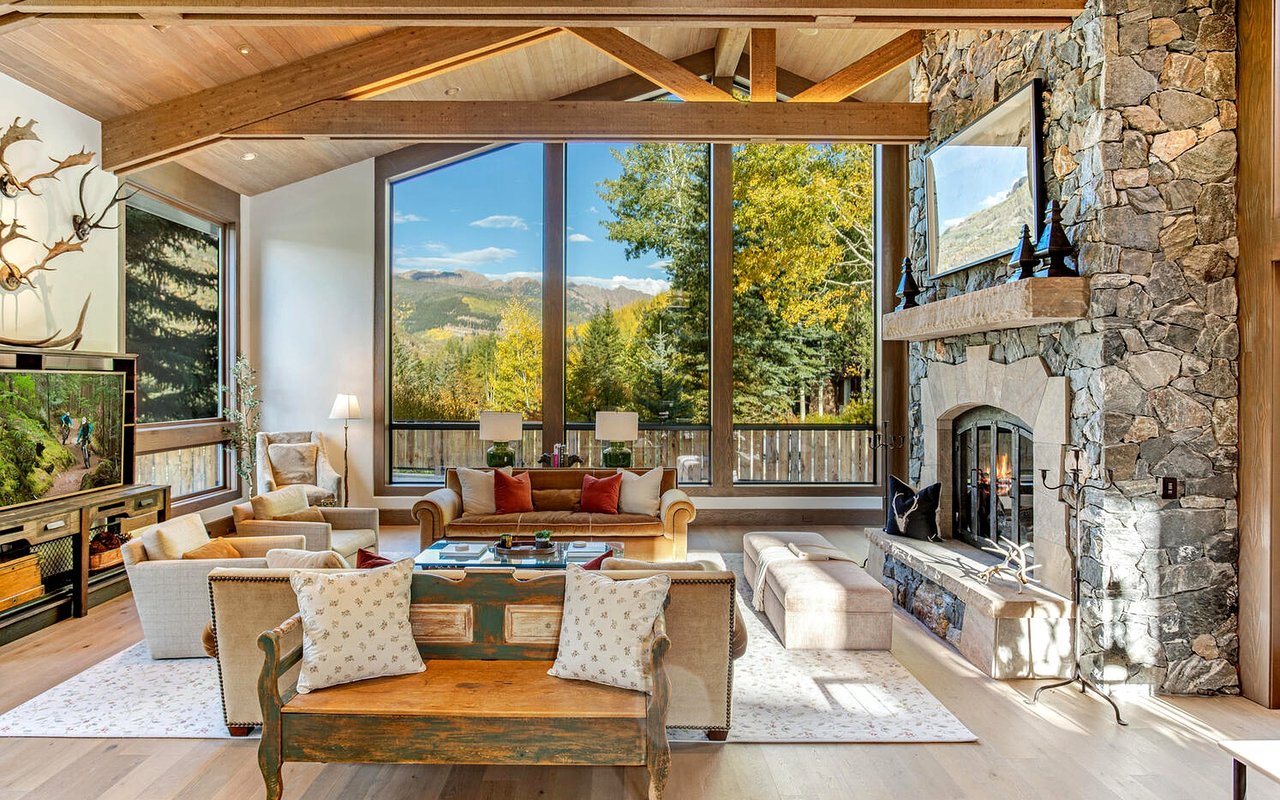
These structural elements should serve as the foundation for your interior design. Exposed beams, original fireplaces, and hand-crafted woodwork are not features to minimize. Instead, they should be highlighted and complemented.
In neighborhoods such as Vail Village, Lionshead, and parts of East Vail, historic homes often sit on exceptional lots with mature trees and direct mountain views. The interior design should work in tandem with those surroundings, drawing the outdoors in and emphasizing the connection to the landscape.
These structural elements should serve as the foundation for your interior design. Exposed beams, original fireplaces, and hand-crafted woodwork are not features to minimize. Instead, they should be highlighted and complemented.
In neighborhoods such as Vail Village, Lionshead, and parts of East Vail, historic homes often sit on exceptional lots with mature trees and direct mountain views. The interior design should work in tandem with those surroundings, drawing the outdoors in and emphasizing the connection to the landscape.
Blending Old-World Charm with Modern Comfort
One of the most common questions I receive is how far to go with updates. In most cases, the goal is not to completely reinvent the home, but rather to refine it.
Kitchens and bathrooms are typically the areas where modernization makes the most sense. Updating these spaces with high-end appliances, clean cabinetry, and durable materials can dramatically improve livability. At the same time, finishes should feel consistent with the home’s original character.
For example, a sleek, ultra-modern kitchen may feel out of place in a classic alpine chalet, whereas warm wood tones, natural stone countertops, and understated hardware will integrate more seamlessly.
In living areas, comfort is key. Historic homes were not always designed with today’s open-concept preferences, but that does not mean they cannot feel inviting and functional.
Thoughtful furniture placement, layered lighting, and subtle architectural adjustments can create a natural flow without removing defining features.
Kitchens and bathrooms are typically the areas where modernization makes the most sense. Updating these spaces with high-end appliances, clean cabinetry, and durable materials can dramatically improve livability. At the same time, finishes should feel consistent with the home’s original character.
For example, a sleek, ultra-modern kitchen may feel out of place in a classic alpine chalet, whereas warm wood tones, natural stone countertops, and understated hardware will integrate more seamlessly.
In living areas, comfort is key. Historic homes were not always designed with today’s open-concept preferences, but that does not mean they cannot feel inviting and functional.
Thoughtful furniture placement, layered lighting, and subtle architectural adjustments can create a natural flow without removing defining features.
Materials That Reflect the Vail Lifestyle
Material selection plays a significant role in maintaining authenticity. In Vail, there is a strong preference for natural, durable materials that age well over time.
Wood remains a dominant element, whether in flooring, ceiling beams, or custom millwork. Reclaimed wood can be particularly effective in historic homes, as it adds depth and continuity. Stone is another staple, often used in fireplaces, accent walls, and entryways.
Textiles should complement the mountain environment. Wool, leather, and linen all perform well in Vail’s climate while adding warmth and texture. Layering these materials through rugs, upholstery, and window treatments creates a comfortable, lived-in feel that aligns with how these homes are actually used, especially during the ski season.
Wood remains a dominant element, whether in flooring, ceiling beams, or custom millwork. Reclaimed wood can be particularly effective in historic homes, as it adds depth and continuity. Stone is another staple, often used in fireplaces, accent walls, and entryways.
Textiles should complement the mountain environment. Wool, leather, and linen all perform well in Vail’s climate while adding warmth and texture. Layering these materials through rugs, upholstery, and window treatments creates a comfortable, lived-in feel that aligns with how these homes are actually used, especially during the ski season.
Color Palettes Inspired by the Surroundings
The natural beauty of the Vail Valley provides a clear direction when it comes to color. Earth tones tend to work best, including warm neutrals, soft grays, deep greens, and subtle blues.
Rather than relying on bold or overly trendy colors, I typically recommend a restrained palette that allows architectural details and views to take center stage. This approach also helps ensure longevity, which is important for both enjoyment and long-term value.
Accent colors can still be introduced through artwork, pillows, and décor, but they should feel intentional and not distract from the overall cohesion of the home.
Rather than relying on bold or overly trendy colors, I typically recommend a restrained palette that allows architectural details and views to take center stage. This approach also helps ensure longevity, which is important for both enjoyment and long-term value.
Accent colors can still be introduced through artwork, pillows, and décor, but they should feel intentional and not distract from the overall cohesion of the home.
Incorporating Modern Technology Thoughtfully
While historic homes offer charm, they were not built with modern technology in mind. Integrating updated systems is often a worthwhile investment, but it should be done in a way that does not disrupt the aesthetic.
Smart home features such as lighting control, climate systems, and security can be incorporated discreetly. Radiant heat, for example, is a popular upgrade in Vail and can significantly enhance comfort during the winter months without altering the visual design.
Audio and media systems can also be integrated with minimal impact, particularly when planned alongside a broader design strategy.
Smart home features such as lighting control, climate systems, and security can be incorporated discreetly. Radiant heat, for example, is a popular upgrade in Vail and can significantly enhance comfort during the winter months without altering the visual design.
Audio and media systems can also be integrated with minimal impact, particularly when planned alongside a broader design strategy.
Furniture and Layout Considerations
Furnishing a historic home in Vail requires a bit of restraint. Oversized or overly contemporary pieces can feel disconnected from the architecture.
I often suggest a mix of classic and transitional furniture, with an emphasis on quality and scale. Pieces should feel substantial enough to complement the home’s structure, but not so heavy that they overwhelm the space.
Creating multiple seating areas can be particularly effective, especially in homes that were originally designed with more segmented layouts. This allows for both entertaining and quiet relaxation, which is a key part of the Vail lifestyle.
I often suggest a mix of classic and transitional furniture, with an emphasis on quality and scale. Pieces should feel substantial enough to complement the home’s structure, but not so heavy that they overwhelm the space.
Creating multiple seating areas can be particularly effective, especially in homes that were originally designed with more segmented layouts. This allows for both entertaining and quiet relaxation, which is a key part of the Vail lifestyle.
Honoring the Home’s History
One of the more enjoyable aspects of owning a historic property is the opportunity to celebrate its past. This can be done in subtle ways through décor and accessories.
Vintage ski memorabilia, black-and-white photography of early Vail, or locally sourced artwork can add a sense of place. These elements do not need to dominate the space, but they can provide meaningful context and reinforce the home’s connection to the Valley.
If original details such as doors, fixtures, or built-ins are still present, I generally recommend preserving them whenever possible. These features often contribute more to the home’s value and appeal than any new addition.
Vintage ski memorabilia, black-and-white photography of early Vail, or locally sourced artwork can add a sense of place. These elements do not need to dominate the space, but they can provide meaningful context and reinforce the home’s connection to the Valley.
If original details such as doors, fixtures, or built-ins are still present, I generally recommend preserving them whenever possible. These features often contribute more to the home’s value and appeal than any new addition.
The Role of Outdoor Spaces
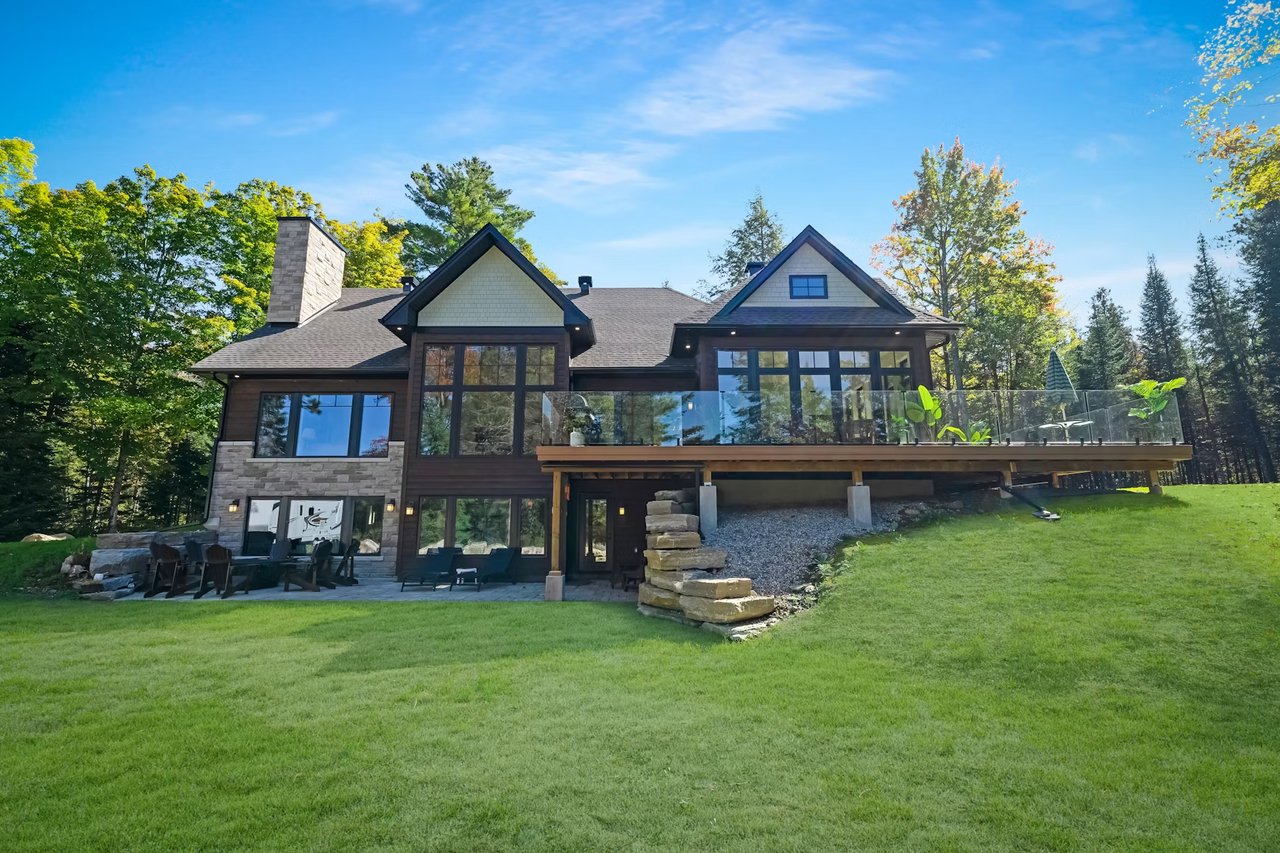
In Vail, outdoor living is just as important as interior design. Historic homes often have decks, patios, or balconies that can be enhanced to create additional living space.
Simple upgrades such as comfortable seating, fire features, and subtle lighting can make these areas more usable year-round. Given the views and natural surroundings, these spaces tend to become a central part of the home, particularly during the summer and fall months.
Simple upgrades such as comfortable seating, fire features, and subtle lighting can make these areas more usable year-round. Given the views and natural surroundings, these spaces tend to become a central part of the home, particularly during the summer and fall months.
Frequently Asked Questions
How much should I renovate a historic home in Vail?
It depends on the condition of the property and your goals. In many cases, a thoughtful partial renovation that focuses on kitchens, bathrooms, and systems can provide the best return while preserving character.
Are there restrictions on updating historic properties?
Certain neighborhoods or properties may have design guidelines or HOA considerations. It is always a good idea to review these in advance and work with local professionals who understand the nuances.
What design style works best in Vail?
Mountain modern and classic alpine tend to perform well, but the key is consistency with the home’s architecture. A cohesive approach is more important than following a specific trend.
Does interior design impact resale value?
Absolutely. Well-executed design that respects the home’s character and incorporates modern comforts can significantly enhance marketability, particularly in the luxury segment.
Let’s Discuss Your Vail Property
If you are considering updating a historic home in Vail, or if you are evaluating opportunities in this segment of the market, I would be happy to connect. These properties are nuanced, and a thoughtful approach can make all the difference.
You can learn more or reach out directly—I welcome the opportunity to discuss your goals and help you navigate the process with a clear strategy that aligns with both lifestyle and long-term value.
You can learn more or reach out directly—I welcome the opportunity to discuss your goals and help you navigate the process with a clear strategy that aligns with both lifestyle and long-term value.