By Matthew Blake
I hope that you are doing well. One of the things I genuinely enjoy about working in the Vail Valley real estate market is that the homes here are so often exceptional not just in their locations and their views, but in the way they have been designed and finished on the inside.
After walking through hundreds of properties across Vail Village, Beaver Creek, East Vail, Lionshead, and the broader valley, I have developed a strong sense of which interior design directions resonate most with buyers at this level of the market and which ones tend to work against a property when it comes time to sell.
Whether you are designing a new mountain home from the ground up, updating an existing property, or simply thinking about how to position your home for a future sale, understanding the design vocabulary that speaks to Vail Valley buyers is genuinely useful information. Here is what I am seeing on the ground.
Mountain Contemporary
Mountain contemporary is arguably the dominant design language in the Vail Valley luxury market right now, and it has earned that position because it does something genuinely difficult well. It balances the warmth and materiality that mountain living calls for with a clean, uncluttered aesthetic that feels current rather than rustic in a way that can date quickly.
The hallmarks of mountain contemporary are natural materials used with restraint and intention. Thick-cut stone on fireplace surrounds and feature walls. Wide-plank hardwood floors in character grades that show the natural variation of the wood without feeling rough or unfinished. Steel and glass elements that introduce an industrial edge without overwhelming the warmth of the space. Ceilings that reach up and open the room, often with exposed timber beams that add structure and visual interest without tipping into lodge territory.
The color palette in mountain contemporary interiors tends toward warm neutrals, deep charcoals, and the occasional rich accent drawn from the landscape outside. Slate blues, forest greens, and burnt ochres all appear in well-executed mountain contemporary homes and ground the interior in its setting without being literal about it.
Buyers who encounter a well-executed mountain contemporary interior respond to it immediately, and that response translates directly into offer quality and willingness to pay. It is a design direction that ages well, photographs beautifully, and communicates a level of sophistication that resonates at the upper end of the Vail market.
The hallmarks of mountain contemporary are natural materials used with restraint and intention. Thick-cut stone on fireplace surrounds and feature walls. Wide-plank hardwood floors in character grades that show the natural variation of the wood without feeling rough or unfinished. Steel and glass elements that introduce an industrial edge without overwhelming the warmth of the space. Ceilings that reach up and open the room, often with exposed timber beams that add structure and visual interest without tipping into lodge territory.
The color palette in mountain contemporary interiors tends toward warm neutrals, deep charcoals, and the occasional rich accent drawn from the landscape outside. Slate blues, forest greens, and burnt ochres all appear in well-executed mountain contemporary homes and ground the interior in its setting without being literal about it.
Buyers who encounter a well-executed mountain contemporary interior respond to it immediately, and that response translates directly into offer quality and willingness to pay. It is a design direction that ages well, photographs beautifully, and communicates a level of sophistication that resonates at the upper end of the Vail market.
Alpine Traditional
There is a reason the alpine traditional aesthetic has endured in the Vail Valley for decades, and it comes down to authenticity. Vail was designed with a European alpine village character in mind, and interiors that honor that heritage feel genuinely at home here in a way that more trend-driven approaches sometimes do not.
Alpine traditional interiors draw from the design traditions of the Austrian and Swiss Alps, with heavy timber construction, hand-carved woodwork, vaulted ceilings with exposed structural elements, and a layered richness of textiles and materials that creates spaces that feel deeply comfortable and lived-in. Antler chandeliers, stone fireplaces that anchor entire living rooms, and custom millwork in warm-stained woods are all characteristic of this approach.
What separates a well-executed alpine traditional interior from one that feels dated or overdone is the quality and selectivity of the elements. The best examples of this style in the valley are not trying to recreate a Bavarian inn. They are drawing thoughtfully from that tradition and editing it into something that feels personal, refined, and genuinely suited to how people actually live in their mountain homes today.
For properties in Vail Village in particular, where the architecture already speaks this language from the outside, an alpine traditional interior can feel like a natural and compelling continuation of the whole experience of the home.
Alpine traditional interiors draw from the design traditions of the Austrian and Swiss Alps, with heavy timber construction, hand-carved woodwork, vaulted ceilings with exposed structural elements, and a layered richness of textiles and materials that creates spaces that feel deeply comfortable and lived-in. Antler chandeliers, stone fireplaces that anchor entire living rooms, and custom millwork in warm-stained woods are all characteristic of this approach.
What separates a well-executed alpine traditional interior from one that feels dated or overdone is the quality and selectivity of the elements. The best examples of this style in the valley are not trying to recreate a Bavarian inn. They are drawing thoughtfully from that tradition and editing it into something that feels personal, refined, and genuinely suited to how people actually live in their mountain homes today.
For properties in Vail Village in particular, where the architecture already speaks this language from the outside, an alpine traditional interior can feel like a natural and compelling continuation of the whole experience of the home.
Transitional Mountain
For buyers and sellers who find mountain contemporary a touch too spare and alpine traditional a touch too heavy, the transitional mountain style offers a genuinely appealing middle ground that has been gaining traction in the valley. It combines the warmth and natural materiality of traditional mountain design with the cleaner lines and lighter palette of contemporary interiors.
In practice, transitional mountain interiors tend to feature natural stone and wood alongside more refined cabinetry profiles, integrated lighting, and a furniture mix that blends custom upholstered pieces with antique or vintage finds that add character without committing to a single historical period. The result is a home that feels both timeless and current, which is a quality that tends to age well and appeal broadly.
This is a design direction I see working particularly well in properties that are used primarily as second homes or rental properties, because it has a welcoming quality that does not require buyers or guests to fully adopt a specific aesthetic point of view. It meets people where they are and makes them feel comfortable immediately.
In practice, transitional mountain interiors tend to feature natural stone and wood alongside more refined cabinetry profiles, integrated lighting, and a furniture mix that blends custom upholstered pieces with antique or vintage finds that add character without committing to a single historical period. The result is a home that feels both timeless and current, which is a quality that tends to age well and appeal broadly.
This is a design direction I see working particularly well in properties that are used primarily as second homes or rental properties, because it has a welcoming quality that does not require buyers or guests to fully adopt a specific aesthetic point of view. It meets people where they are and makes them feel comfortable immediately.
Scandinavian Influence
A more recent arrival to the Vail Valley design conversation, Scandinavian-influenced interiors have found a receptive audience among buyers who are drawn to simplicity, craftsmanship, and a deep respect for natural materials. The Nordic design tradition has always had strong conceptual overlap with mountain living, and that overlap feels particularly natural in a place like Vail.
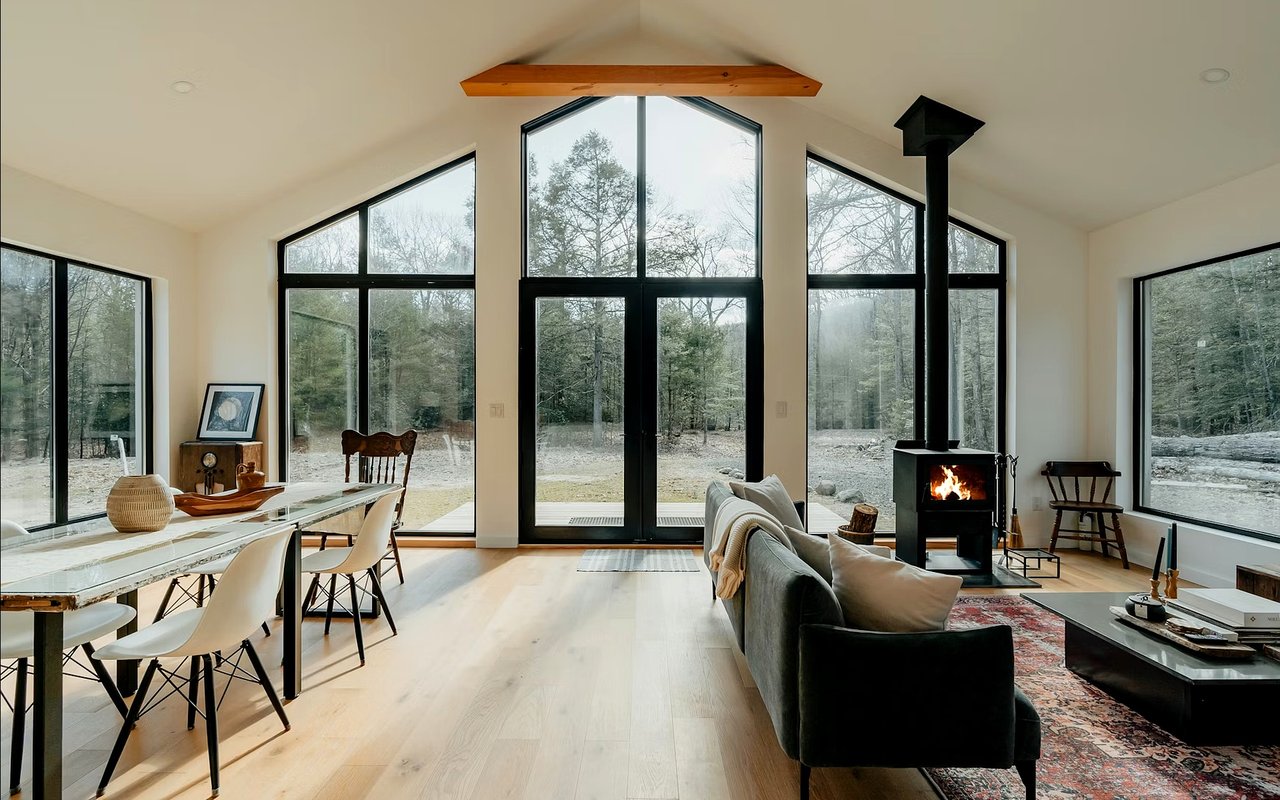
Scandinavian-influenced interiors in the valley tend to feature a lighter, more restrained material palette than traditional mountain design, with white oak and birch wood tones, matte white and warm gray surfaces, and an emphasis on quality over quantity in terms of furnishings and objects. Natural light is treated as a design element, and window placement and glazing are often integral to how these interiors are conceived.
The fireplace remains central, as it does in virtually every successful mountain interior, but in a Scandinavian-influenced home it is likely to be a sleek, minimal steel or cast iron unit rather than a massive stone surround. The warmth is still there. It is simply expressed with more economy of means.
For newer construction in the valley, particularly in buildings and developments with more architecturally contemporary bones, a Scandinavian-influenced interior can feel like a natural and sophisticated fit.
Scandinavian-influenced interiors in the valley tend to feature a lighter, more restrained material palette than traditional mountain design, with white oak and birch wood tones, matte white and warm gray surfaces, and an emphasis on quality over quantity in terms of furnishings and objects. Natural light is treated as a design element, and window placement and glazing are often integral to how these interiors are conceived.
The fireplace remains central, as it does in virtually every successful mountain interior, but in a Scandinavian-influenced home it is likely to be a sleek, minimal steel or cast iron unit rather than a massive stone surround. The warmth is still there. It is simply expressed with more economy of means.
For newer construction in the valley, particularly in buildings and developments with more architecturally contemporary bones, a Scandinavian-influenced interior can feel like a natural and sophisticated fit.
The Details That Matter Across Every Style
Regardless of which design direction a Vail Valley home pursues, there are certain details that consistently distinguish properties that buyers respond to strongly from those that fall short of the mark. These details are worth understanding whether you are designing, renovating, or evaluating a property for purchase.
Fireplace quality and placement matters enormously. In the Vail Valley, the fireplace is not decorative. It is central to the experience of the home, and buyers evaluate it accordingly. A fireplace that is well-proportioned, well-positioned, and finished with quality materials signals that the rest of the home has been thought through with the same care.
Lighting design is frequently underestimated but consistently separates well-designed mountain interiors from those that miss the mark. Mountain homes receive variable natural light depending on exposure, season, and elevation, and layered artificial lighting that creates warmth and flexibility is essential to making these spaces feel their best across all conditions.
Textile quality speaks directly to the comfort and the luxury of the experience of a mountain home. Quality wool throws, natural fiber rugs, and well-upholstered seating in durable, cleanable fabrics communicate care and attention that buyers and rental guests both notice and respond to.
Hardware and plumbing fixtures are the jewelry of an interior, and in the Vail luxury market, buyers notice when they feel appropriate and high-quality and equally notice when they do not. Aged brass, oil-rubbed bronze, and matte black have all found a strong place in mountain luxury interiors, while chrome and polished nickel tend to feel less at home in this setting.
Fireplace quality and placement matters enormously. In the Vail Valley, the fireplace is not decorative. It is central to the experience of the home, and buyers evaluate it accordingly. A fireplace that is well-proportioned, well-positioned, and finished with quality materials signals that the rest of the home has been thought through with the same care.
Lighting design is frequently underestimated but consistently separates well-designed mountain interiors from those that miss the mark. Mountain homes receive variable natural light depending on exposure, season, and elevation, and layered artificial lighting that creates warmth and flexibility is essential to making these spaces feel their best across all conditions.
Textile quality speaks directly to the comfort and the luxury of the experience of a mountain home. Quality wool throws, natural fiber rugs, and well-upholstered seating in durable, cleanable fabrics communicate care and attention that buyers and rental guests both notice and respond to.
Hardware and plumbing fixtures are the jewelry of an interior, and in the Vail luxury market, buyers notice when they feel appropriate and high-quality and equally notice when they do not. Aged brass, oil-rubbed bronze, and matte black have all found a strong place in mountain luxury interiors, while chrome and polished nickel tend to feel less at home in this setting.
Design, Presentation, and the Real Estate Connection
From a real estate perspective, the interior design of a Vail Valley property has direct implications for how it is perceived, how quickly it sells, and what it ultimately commands at closing. Properties where the design feels cohesive, intentional, and well-suited to the mountain setting consistently generate stronger buyer interest and better offer dynamics than those where the interior feels generic, dated, or disconnected from its context.
Matthew Blake works with sellers to evaluate their properties honestly and think through where design updates or staging investments are likely to generate meaningful returns. Sometimes that means recommending a targeted renovation. Sometimes it means a thoughtful staging approach that brings out the best in what is already there. The goal is always the same, to present the property in a way that resonates with the buyers most likely to value it most.
Matthew Blake works with sellers to evaluate their properties honestly and think through where design updates or staging investments are likely to generate meaningful returns. Sometimes that means recommending a targeted renovation. Sometimes it means a thoughtful staging approach that brings out the best in what is already there. The goal is always the same, to present the property in a way that resonates with the buyers most likely to value it most.
Frequently Asked Questions About Interior Design in Vail Valley Homes
Which interior design style adds the most value in the Vail market?
Mountain contemporary and well-executed alpine traditional both resonate strongly with luxury buyers in the valley. The key is coherence and quality of execution rather than the specific style chosen. A home that feels intentional and well-finished in any of these directions will outperform one that mixes styles without a clear point of view.
Is it worth updating my interior design before listing my property?
It depends on the current state of the interior and the price point of the property. Targeted updates to finishes, lighting, and textiles often generate returns that exceed their cost. A full renovation makes more sense when the interior is genuinely dated relative to buyer expectations at your price level.
What interior details do Vail luxury buyers notice most?
Fireplace quality, kitchen and bathroom finishes, flooring materials, lighting design, and the overall coherence of the design are the elements that consistently generate the strongest reactions, positive or negative, from luxury buyers in the valley.
Does interior design affect short-term rental performance?
Significantly. Rental guests at the luxury level have high expectations and are quick to notice and comment on the quality of the interior experience. Properties with well-designed, well-appointed interiors generate better reviews, stronger repeat booking rates, and higher nightly rates than those that feel dated or generic.
Are there local designers in the Vail Valley who specialize in mountain luxury interiors?
Yes, and working with someone who understands the specific aesthetic and practical demands of mountain living is worth the investment. I am happy to share recommendations based on the style direction and scope of a project.
Let's Talk About Your Vail Valley Property
Whether you are designing a new home, thinking about updates before a sale, or evaluating a property and trying to understand its potential, I am always happy to share my perspective on what works in this market. Please do not hesitate to reach out anytime. Visit mattblakerealestate.com to get in touch and let's find a time to connect. I hope to see you around the valley soon.