By Matthew Blake
When it comes to selling your home in Vail, how it shows (both online and in person) matters more than most people think. I’ve seen buyers make decisions within the first minute of walking through the door. They’re not always conscious of it, but the space either feels right or it doesn’t.
That’s where staging comes in. You don’t need to do a full design overhaul, and you don’t need to hire a high-end firm from Denver. But there are some easy steps that can help your home show its best, and ultimately sell faster and for a stronger price.
Here are the home staging secrets I go over with sellers before every listing hits the market.
Key Takeaways
-
Most buyers respond to how a home feels within the first few moments.
-
Staging isn’t about perfection; it’s about clarity and comfort.
-
Small changes often have the biggest impact.
-
The goal is to make it easy for buyers to picture themselves living there.
1. Start with the Areas That Matter Most
You don’t have to stage every inch of your home. Focus on the spaces where buyers make decisions: main living areas, kitchens, and primary bedrooms.
Prioritize These Spaces First
-
Living Room: Simplify the furniture arrangement to open up traffic flow and showcase views.
-
Kitchen: Clear off counters completely; leave maybe one item (like a wood bowl or small appliance).
-
Primary Bedroom: Make the bed feel intentional. Neutral bedding, no clutter, and soft lighting go a long way.
-
Entryway: First impressions matter. A clean, bright entry with one strong visual (art or mirror) sets the tone.
I’ve walked into high-end homes where $50 in throw pillows made more impact than a $5,000 chandelier. Buyers notice mood, not brand labels.
2. Remove What Distracts (Even If You Love It)
The hardest part of staging is editing. Your home may work great for you, but buyers aren’t trying to live your life. They’re trying to imagine their own.
Items to Tuck Away Before Showings
-
Personal photos, memorabilia, or anything too specific (awards, hobbies, etc.)
-
Excess furniture that breaks up the flow of the room
-
Pet beds, crates, or feeding areas
-
Rugs that cover beautiful hardwood or stone floors
-
Kitchen gadgets, soap bottles, or dish racks
If you're not sure what to remove, I’m happy to walk through with a fresh set of eyes. The goal isn’t to erase personality; it’s to make sure the space feels open, clean, and easy to walk through.
3. Use Lighting to Your Advantage
Lighting affects mood, and buyers feel that instantly. In Vail, where natural light can shift quickly with the weather, it's worth taking the time to get it right.
Easy Lighting Wins
-
Open all window coverings, even in winter. Let the natural light in, even if it’s a cloudy day.
-
Replace dim bulbs with soft white (2700K–3000K) for a warm, even tone.
-
Add lamps in darker corners of living rooms or dens.
-
Turn on every light before showings, including closet and hallway lights.
Especially in homes with big views, you want the interior lighting to match the energy of the setting.
4. Keep the Mountain Aesthetic Subtle
We’re in Vail, so it’s fine for your home to reflect a mountain lifestyle, but too much rustic décor can start to feel heavy. Staging is a good time to scale back just enough.
What to Keep and What to Rethink
-
Keep: Wood beams, leather accent chairs, clean-lined antler or iron light fixtures.
-
Remove or minimize: Excessive bear or moose décor, log furniture, dark plaid everything.
-
Add: Neutral throws, soft textures, updated art with nature tones.
Buyers still want the Vail experience; they just want it to feel fresh and livable.
5. Let the Outdoors Speak
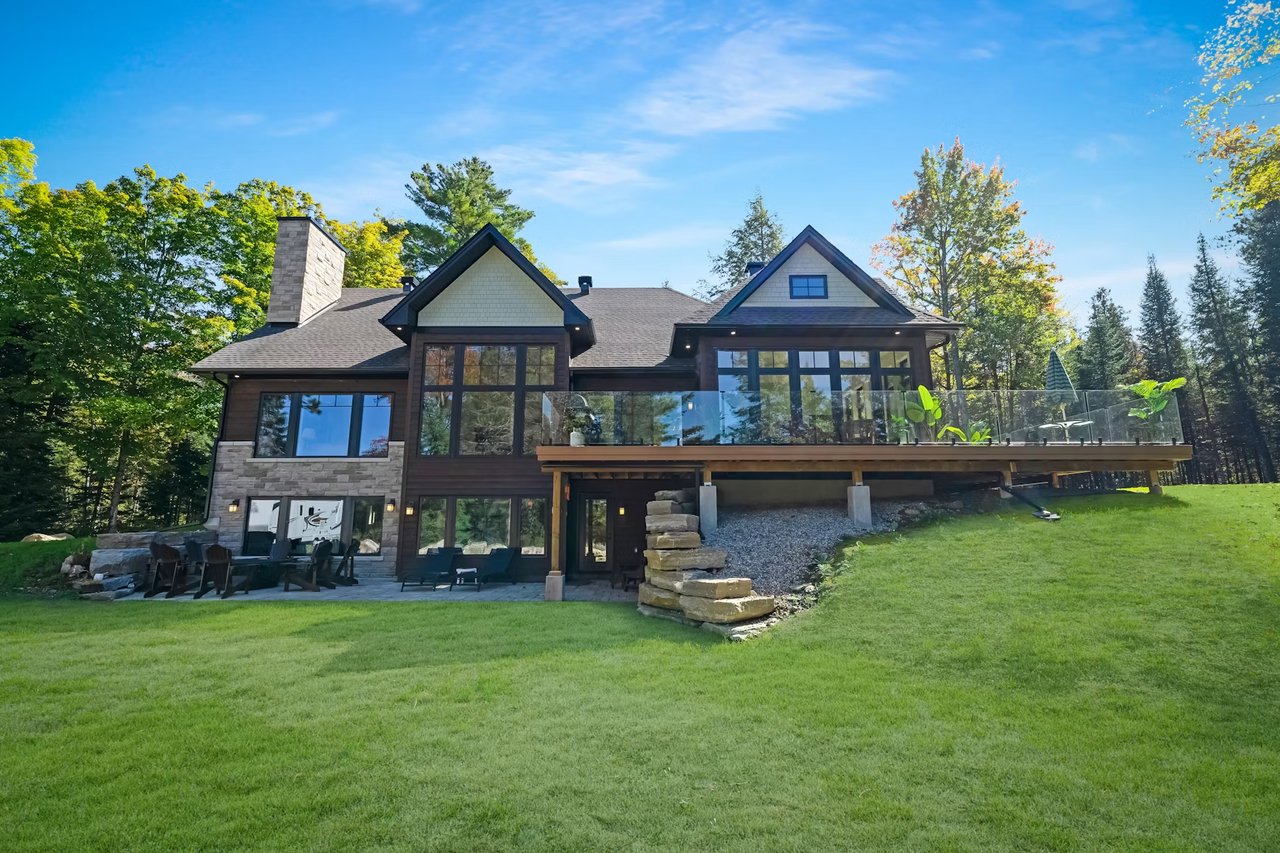
One of the biggest advantages we have here is the setting. Even if your home isn’t directly on the slopes, views and outdoor space matter.
Ways to Highlight Outdoor Appeal
-
Clean patios, balconies, and decks, even in winter.
-
Shovel snow off walkways and stairs before every showing.
-
Set up a simple outdoor seating area, even if it’s just two chairs and a small table.
-
If you have a hot tub or fire pit, make sure it’s clean and turned on (or lit) during showings.
Many buyers picture après-ski evenings or quiet summer mornings—show them that’s possible.
6. Aim for “Comfortable, Not Empty”
Some sellers think staging means clearing everything out. The reality? Empty rooms feel cold and smaller than you’d expect.
How to Create a Balanced Look
-
Use fewer, larger pieces instead of many small ones.
-
Bring in greenery (real or high-quality faux plants) to soften corners.
-
Add texture: a soft rug under the bed, a throw on the sofa, or linen napkins on the dining table.
-
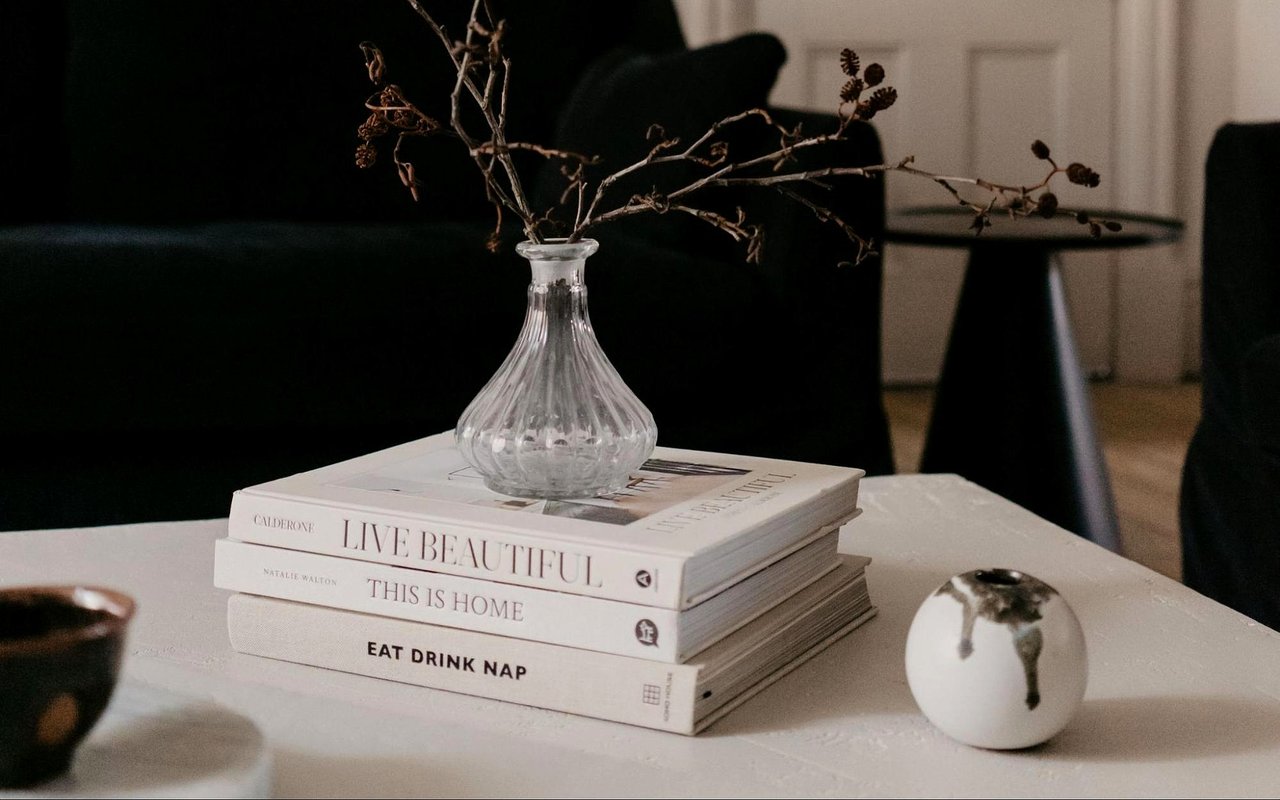
Create visual “anchors” like a centered coffee table or a styled nightstand.
The goal is to feel welcoming, not sparse or overly decorated.
FAQs
Do I need to hire a professional stager?
Not always. In many cases, we can use your existing furniture and accessories with a few adjustments. I’m happy to help with that process directly or bring in someone local if needed.
Should I stage if the home is already vacant?
Yes, especially in key rooms. A few well-placed pieces can help buyers understand scale and flow better than an empty space can.
Is it worth the time and effort?
Almost always. Proper staging can shorten days on market and help your home sell closer to (or above) asking price.
Contact Matthew Blake Today
If you’re thinking about selling your home in Vail and want to talk through a staging game plan, I’d be glad to help. Whether you're still living in the home or it’s sitting vacant, we’ll figure out what makes sense to highlight, what to simplify, and how to make sure your property shows at its absolute best.
Reach out to me, Matthew Blake, and we’ll get your home ready for buyers to fall in love with from the moment they walk in the door.
Reach out to me, Matthew Blake, and we’ll get your home ready for buyers to fall in love with from the moment they walk in the door.