If your ideal Vail base includes quiet mornings, quick trail access, and easy connections to some of the mountain’s most challenging terrain, East Vail deserves a closer look. This neighborhood has a different feel from the village core, and that is exactly why many buyers pay attention to it. You get a more residential setting, strong outdoor access, and a practical path to the ski resort without needing to be in the middle of the busiest areas. Let’s take a closer look.
Why East Vail Stands Out
East Vail is one of the Town of Vail’s 12 neighborhoods, and the town highlights the things many mountain buyers care about most: parks, trails, recreation paths, streams, open space, and free bus service. That combination gives the area a distinctly outdoor-first identity. It feels connected to Vail, but not defined by the pace of the village core.
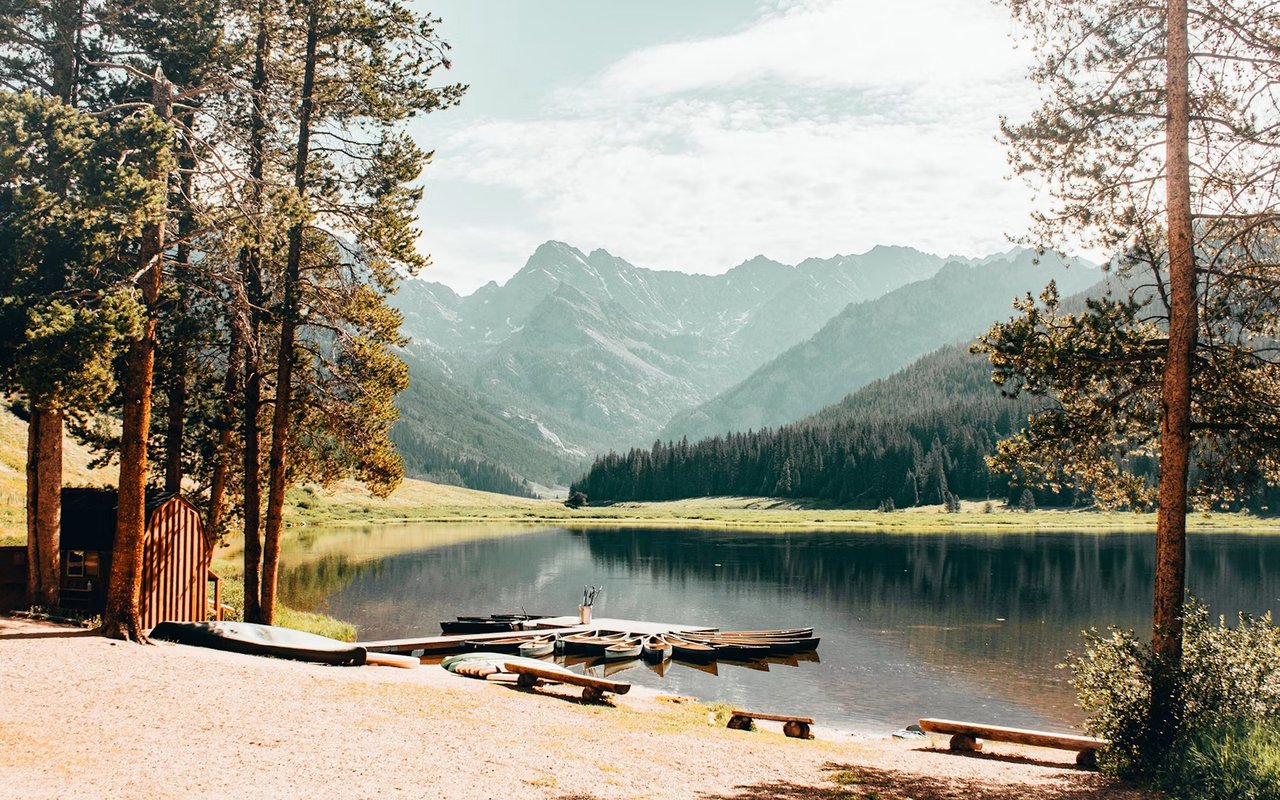
Roughly four miles east of Vail Village, East Vail is often described as a serene residential setting with mountain peaks, aspen groves, and Gore Creek shaping the landscape. For you as a buyer, that can mean a calmer home base with everyday scenery built into the neighborhood. It is the kind of place where the setting is part of the appeal year-round.
East Vail for Nature Lovers
If you want to step outside and be close to trails, creek corridors, and open space, East Vail offers a strong case. The neighborhood’s location puts you near several well-known trailheads and recreation areas. That makes it especially appealing if hiking, biking, snowshoeing, or simply being near the forest is part of how you want to live.
Booth Lake Trail Access
Booth Lake Trail begins at Booth Creek Road and climbs through aspen groves, past Booth Falls, and into conifer forests and wildflower meadows with views of the Gore Range. It is one of the area’s signature hiking experiences. The route gives you a clear sense of the terrain and scenery that define East Vail’s outdoor lifestyle.
The Town of Vail’s bus information also notes access to trailheads, which matters here. If parking is limited or you prefer not to drive, transit can help simplify a summer trail day. That adds convenience to the neighborhood’s outdoor appeal.
Pitkin Trail and Creekside Scenery
Pitkin Trail is another major draw, and it begins right in East Vail. The first mile is steep, then the trail moves through mature aspen groves, spruce-fir forest, glacial moraines, and waterfalls along Pitkin Creek before reaching Pitkin Lake. For serious hikers, it is a standout feature of the neighborhood.
The Forest Service notes limited parking and recommends parking in town and taking the bus. That reinforces an important point for buyers: East Vail’s transit connections are useful not just for ski access, but for everyday recreation as well. It is a neighborhood where mobility and outdoor access work together.
Four-Season Recreation Nearby
The Vail Pass/Tenmile Canyon National Recreation Trail starts where Bighorn Road ends at Gore Creek Campground. This corridor supports biking and hiking in warmer months, along with cross-country skiing and snowshoeing in winter. That kind of four-season utility adds depth to East Vail’s appeal.
Instead of being a place that shines only during ski season, East Vail supports an active lifestyle across the calendar. Summer feels trail-centered, winter feels snow-covered and quiet, and fall likely brings especially beautiful aspen color along routes like Booth and Pitkin. If you want a neighborhood with rhythm through every season, this is a strong candidate.
Everyday Livability Matters Too
A neighborhood guide should not stop at epic trails. East Vail also offers details that shape day-to-day life, including Bighorn Park, one of Vail’s neighborhood parks, with an off-leash dog program. If you are thinking about how a place functions beyond vacation weekends, that matters.
East Vail also includes amenity-rich property settings such as the Vail Racquet Club area, which sits on 22 acres along Gore Creek and includes a private athletic club, heated pool, hot tubs, sauna, tennis, pickleball, playground space, and an on-site restaurant and bar. That amenity layer helps parts of East Vail feel more complete and self-contained. For some buyers, that can be a major advantage.
Why Serious Skiers Notice East Vail
East Vail is not typically defined as ski-in/ski-out. That is important to say clearly. Its value for skiers comes from a different equation: you get a quieter neighborhood base with practical access to one of North America’s most recognized ski mountains.
Vail Mountain offers 5,317 skiable acres, 32 lifts, 278 trails, average snowfall of 354 inches, and terrain that includes 53% advanced trails. The mountain is also known for its seven Back Bowls and Blue Sky Basin. For skiers who want scale, variety, and serious terrain, that matters.
Advanced Terrain Is the Main Draw
Vail’s official information describes the Back Bowls as vast open terrain well suited to intermediate and advanced skiers. Blue Sky Basin is framed as a more remote area with a backcountry feel and untracked powder. If your ski days are about covering terrain and seeking more challenge, East Vail keeps you within reach of exactly that experience.
This is where the neighborhood’s positioning becomes appealing. You are not buying East Vail because it puts a chairlift outside your door. You are considering it because it lets you come home to a more peaceful residential setting after skiing a large, advanced-leaning mountain.
Bus Access Supports the Ski Routine
The Town of Vail operates free year-round bus service, and the East Vail route includes stops such as Booth Falls, Pitkin Creek, Timber Falls, Racquet Club, Bighorn Park, and the Vail Transportation Center. For many buyers, that is the practical link that makes the neighborhood work well. You can stay outside the busiest resort zones and still connect to the mountain base areas.
Because Vail Village is the resort’s central base area and Gondola One is a primary access point, East Vail works best as a bus-connected ski base rather than a lift-side address. That distinction helps set expectations clearly. If you value quiet and convenience over being slope-adjacent, East Vail can be a smart fit.
What Homes Are Common in East Vail?
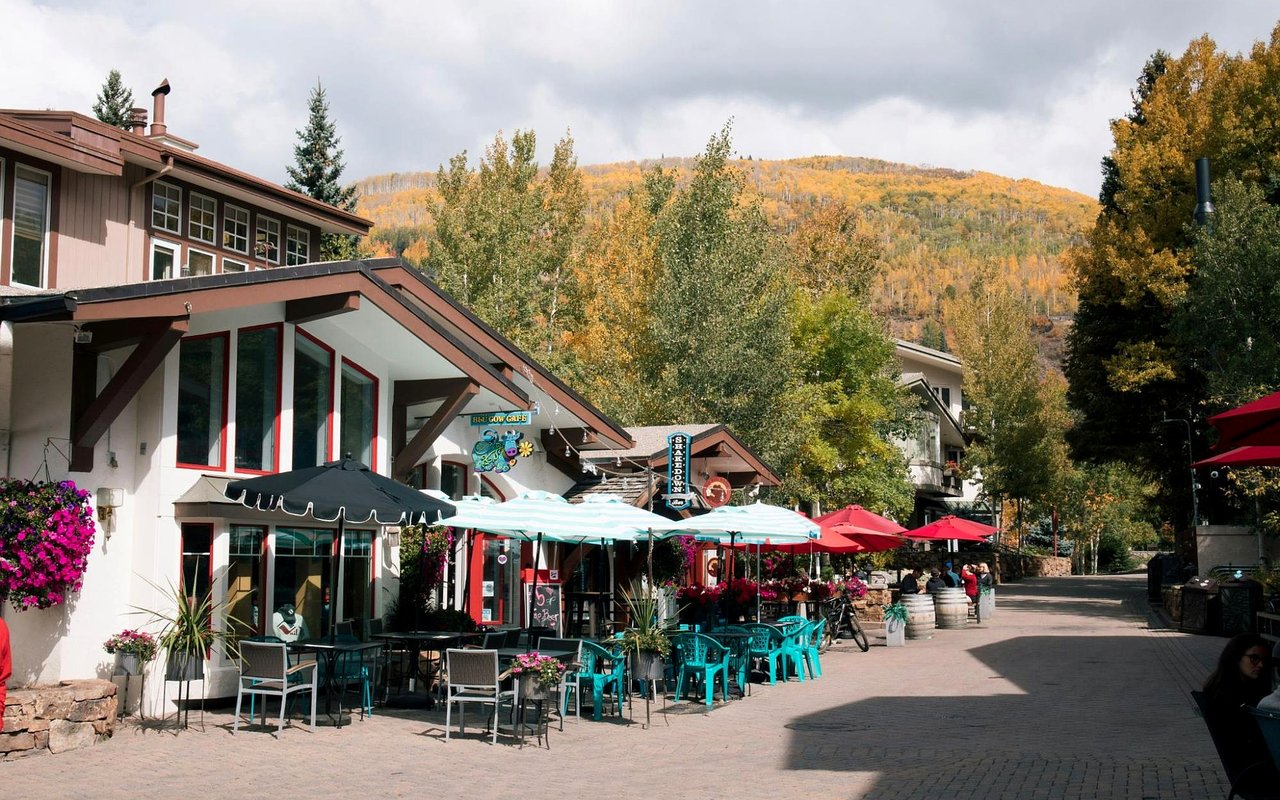
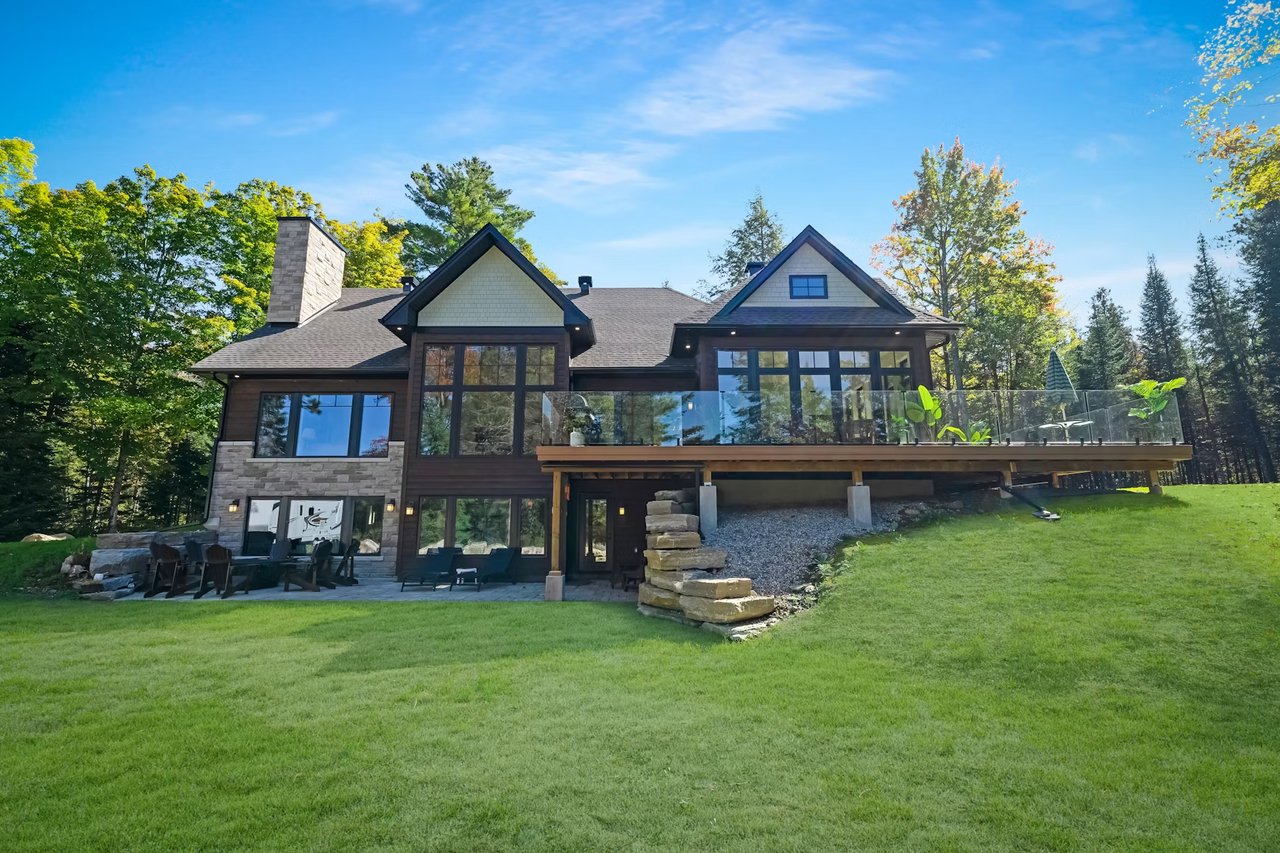
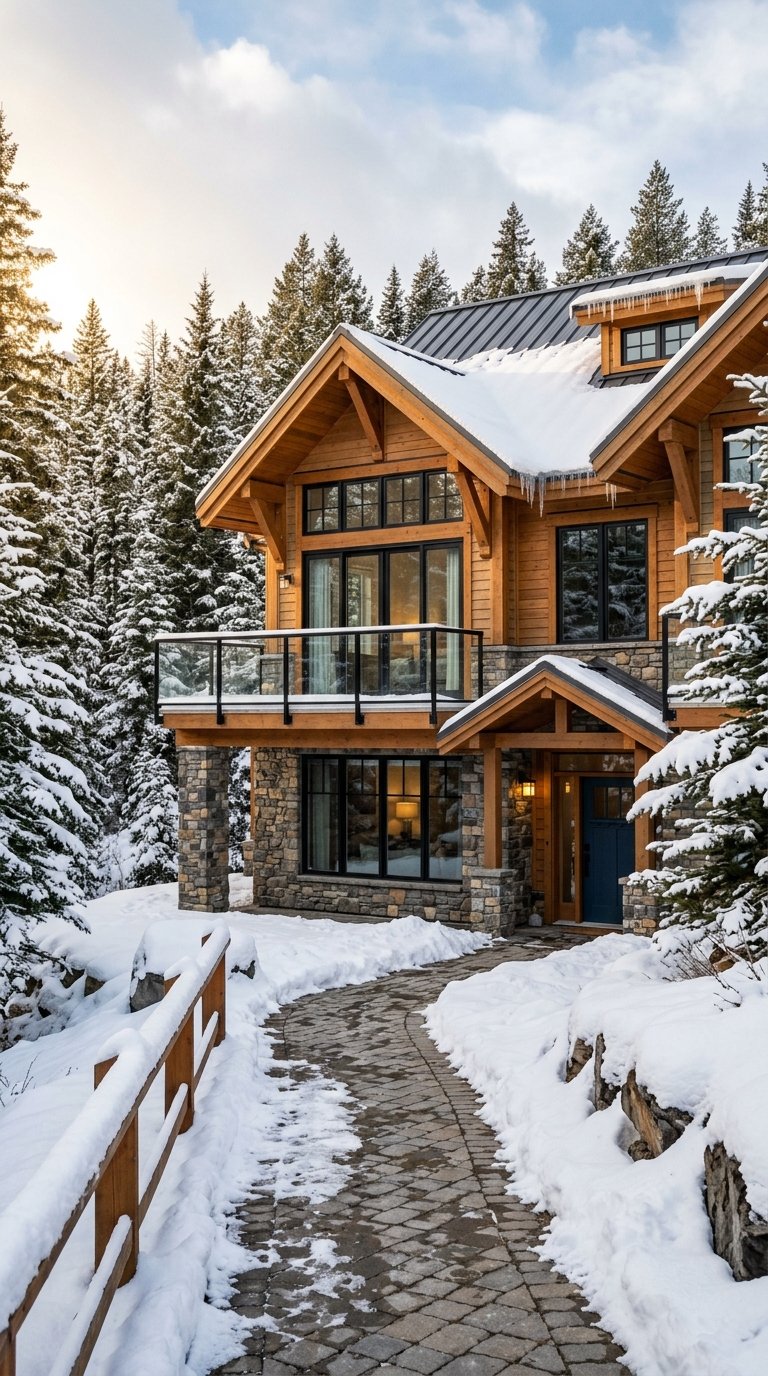
For many buyers, East Vail’s housing mix is part of the attraction. The neighborhood is best understood as condo- and townhome-heavy, with some duplex and house-style residences mixed in. That gives you a range of ownership options depending on how you plan to use the property.
Town references to East Vail housing actions, along with property information tied to the Vail Racquet Club area, support this picture. The area includes one-, two-, and three-bedroom condo and townhome options, and the Vail Racquet Club complex itself contains a substantial number of condominiums and townhomes. If you are looking for a resort-adjacent property type without assuming a village-core setting, East Vail fits that profile well.
Is East Vail Convenient Without a Car?
Relatively speaking, yes. The free Town of Vail bus system serves East Vail, and both the town and the Forest Service support bus use for accessing trailheads when parking is limited. For a mountain neighborhood, that kind of connection can make a real difference.
That does not mean every errand feels identical to being in the center of town. It does mean you can move between East Vail, Vail Village, and key neighborhood stops without relying entirely on a car. For second-home buyers and active owners, that can add flexibility throughout the year.
Who East Vail Fits Best
East Vail tends to appeal to buyers who want nature woven into daily life and who see ski access as important, but not only in ski-in/ski-out terms. It is a strong match if you value trailheads, creekside scenery, free transit, and a more residential atmosphere. It can also make sense if you want a condo or townhome in Vail with a quieter setting.
For serious skiers, the neighborhood offers a useful balance. You stay close to one of the country’s premier mountains while stepping back from the busiest resort core. For nature lovers, East Vail offers something just as valuable: a place where forest, trails, water, and open space are part of the neighborhood itself.
If you are weighing where East Vail fits within the broader Vail market, local context matters. Neighborhood feel, access patterns, housing mix, and seasonal use all shape whether it is the right match for your goals. For tailored guidance on East Vail and other Vail Valley neighborhoods, connect with Matthew Blake.
FAQs
Is East Vail a ski-in/ski-out neighborhood?
- No. East Vail is better understood as a bus-connected residential base with access to Vail Village and the resort’s base areas.
What types of homes are common in East Vail?
- Condos and townhomes are the most common property types, with some duplex and house-style residences also in the neighborhood.
Why do nature-focused buyers consider East Vail?
- East Vail offers access to trailheads like Booth Lake Trail and Pitkin Trail, plus creekside scenery, open space, and neighborhood park amenities.
Why do serious skiers look at East Vail homes?
- East Vail gives you access to Vail Mountain’s large, advanced-leaning terrain while offering a quieter residential setting than the village core.
Is East Vail convenient if you do not want to drive everywhere?
- Yes, relatively. The Town of Vail’s free bus system serves East Vail and helps connect the neighborhood to town and recreation access points.