Matthew Blake | LIV Sotheby's International Realty
An objective analysis of sub-market micro-climates, base village parameters, real estate transfer taxes, and transit infrastructure across the Vail Valley real estate market.
Eagle County Market Tracking Index
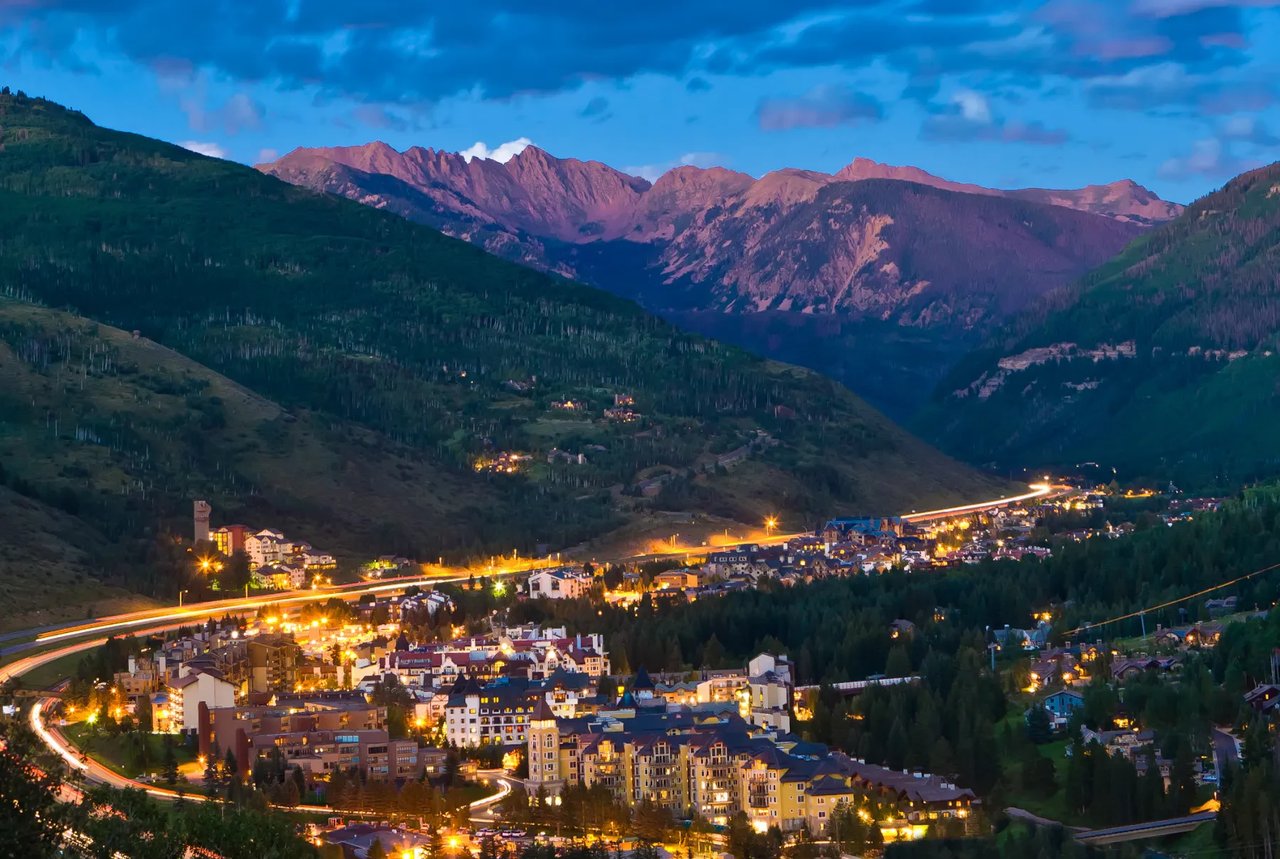
Vail, CO is an iconic mountain resort community inside Eagle County (ZIP code 81657, population ~4,800, elevation 8,150 feet), located 100 miles west of Denver along Interstate 70. Renowned for its 5,317 skiable acres across the Back Bowls and Game Creek Bowl, Vail is widely recognized as one of Colorado's safest and most prestigious alpine destinations, offering top-ranked Eagle County schools, free Town of Vail bus transit, and single-family homes ranging from $1,500,000 to over $20,000,000 as of 2026.
Contemplating Your Vail Valley Asset Allocation?
Navigating the micro-market trade-offs between Vail Village pedestrian cores, Lionshead family residences, and Golden Peak compounds requires specialized transaction experience. Compare neighborhoods or request a private valuation from Matthew Blake.
The core ski-access zones across Vail split into three distinct layout plans, each commanding customized buyer demographics and price metrics.
Operational Focus: The historic pedestrian core characterized by heated cobblestone paths, direct access to Gondola One, and iconic fine dining. This address remains the ultimate luxury investment anchor in Eagle County.
Operational Focus: The family activity hub centered around the Eagle Bahn Gondola, ski school assemblies, and seasonal ice rinks. Lionshead offers contemporary luxury condos with built-in resort services.
Operational Focus: The quiet luxury quarter hosting private racing infrastructure, ski school, and direct Chair 6 access to the Back Bowls. This sector filters out tourist congestion for enhanced tranquility.
Beyond the primary walk-to-ski resort core, property valuations across Vail's secondary residential sectors are directly dictated by two non-negotiable variables: winter sun exposure boundaries and proximity to free municipal transit bus lines.
Market Profile: Dramatic mountain topography, cascading waterfalls, and direct access to East Vail Chutes. Offers lower baseline entry costs than West Vail or the core town center. However, steep north-facing canyon walls limit winter sunlight from November through February.
Market Profile: South-facing slopes capture continuous sunlight all day in mid-winter. Contains primary commercial anchors including City Market and Safeway. Parcels on the North Side enjoy premium winter sun, while the South Side offers quiet wooded privacy.
Residential Zone | Price Spectrum | Winter Sun Window | Transit Line Link |
|---|---|---|---|
East Vail Canyon | $1.2M - $4.5M | Low Baseline (Shadowed) | Green / Blue Shuttle Lines |
Vail Golf Course | $2.5M - $9.0M | Moderate Window | Gold Line Link |
West Vail (North Side) | $1.5M - $5.5M | High Baseline (All-Day Sun) | Red / Green Lines |
West Vail (South Side) | $1.4M - $4.8M | Low to Moderate | Red / Green Lines |
Vail Village / Lionshead Core | $3.0M - $20.0M+ | Moderate Window | In-Town Pedestrian / Shuttle |
Note: Price ranges reflect 2026 sales data. Confirm shadow line benchmarks prior to submitting purchase offers.
Acquiring residential assets across the Town of Vail limits requires a complete understanding of regional tax codes and mountain transit mechanics to insulate your investment portfolio.
Most transactions finalizing within official Town of Vail boundaries are subject to a mandatory 1% Real Estate Transfer Tax assessed on the gross purchase price. This buyer obligation funds municipal free bus networks and park preservation. Specific peripheral subdivisions outside town limits are exempt.
The municipal free shuttle system runs continuously from early morning into late evening, linking outlying residential neighborhoods directly to base gondolas. Properties positioned within a 5-minute walking radius of an active bus stop command substantial valuation premiums.
Parking inside village multi-level structures commands significant fees during ski season. Listings that include deeded garage spaces or private covered vehicle berths hold immense practical advantages, reflecting higher resale liquidity over units lacking parking infrastructure.
Matthew Blake is an elite real estate broker with LIV Sotheby's International Realty in Vail, CO. With over $65M in career volume, Matthew provides expert guidance on Town of Vail 1% RETT rules, East Vail shadow lines, and walk-to-gondola condominium values.
Direct: (970) 390-2412 | Email: [email protected] | Office: LIV Sotheby's International Realty, Vail CO 81657
Further expand your luxury real estate research across the mountain corridor by exploring our geographical guides:
Vail Village constitutes the historic walking core, marked by heated cobblestone paths, classic European architecture, and immediate access to Gondola One. Lionshead represents a modern resort village completed in the 2000s, delivering expansive floor plans, built-in hotel amenities like the Ritz-Carlton, and direct proximity to the Eagle Bahn Gondola at price points typically 10% to 20% lower per square foot.
Vail Village remains the absolute price-per-foot leader across Eagle County. Custom ski-in, ski-out walk-to-gondola legacy condominiums tracking along Gore Creek or the pedestrian core routinely command values scaling from $3,000 to over $5,000 per square foot depending on association management, amenities, and deeded vehicle space provisions.
The Town of Vail enforces a 1% Real Estate Transfer Tax (RETT) applied directly to the buyer tier at the point of escrow closure. This tax calculation is based entirely on the gross contract value. It is critical to confirm the precise geographic coordinate placement of the lot, as certain peripheral subdivisions tracking outside municipal boundaries are exempt from this specific tax assessment line.
East Vail is situated within a steep, glaciated mountain valley corridor. Because the mountain walls track along a strict north-facing axis, properties positioned deep below the natural winter shadow line can lose direct exposure to sunlight from November through late February. This spatial nuance directly impacts heating costs, snowmelt times, and winter rental demand vectors.
Vail tracks approximately 100 miles west of downtown Denver via the Interstate 70 mountain corridor, requiring roughly 2 hours of transit time in clear conditions. During heavy winter weather cycles or high-density weekend ski traffic blocks, travel windows can lengthen considerably. Frequent travelers often utilize Eagle County Regional Airport (EGE), located 30 minutes west, as a direct private flight alternative.
Partner with Matthew Blake for tailored property search guidance in Vail Village, Lionshead, and East/West Vail. Access off-market inventory and market updates.
4,729 people live in Vail, where the median age is 49.5 and the average individual income is $97,791. Data provided by the U.S. Census Bureau.
Total Population
Median Age
Population Density Population Density This is the number of people per square mile in a neighborhood.
Average individual Income
There's plenty to do around Vail, including shopping, dining, nightlife, parks, and more. Data provided by Walk Score and Yelp.
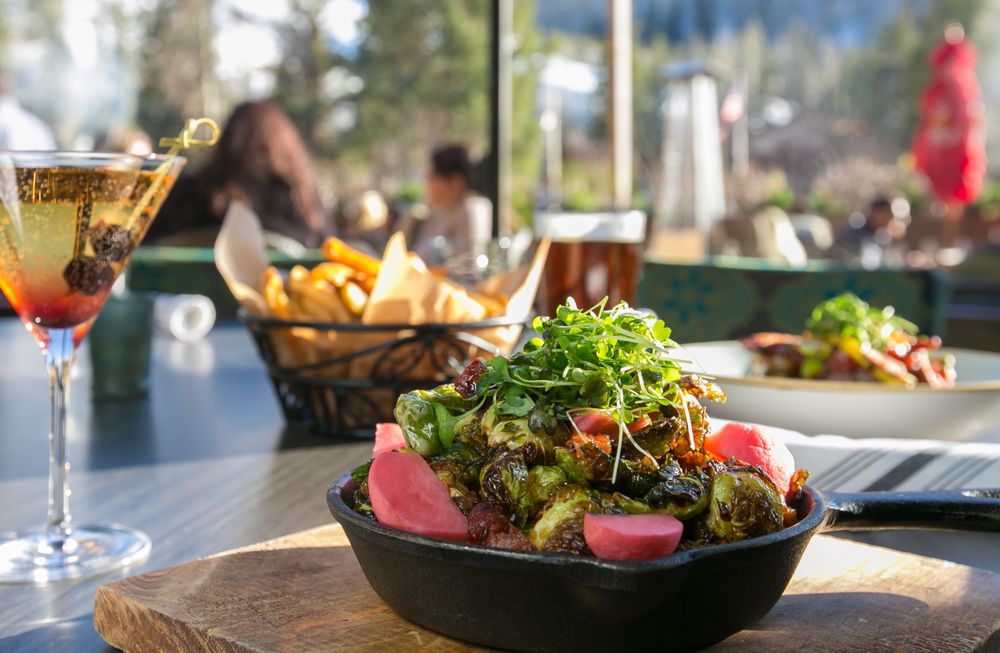
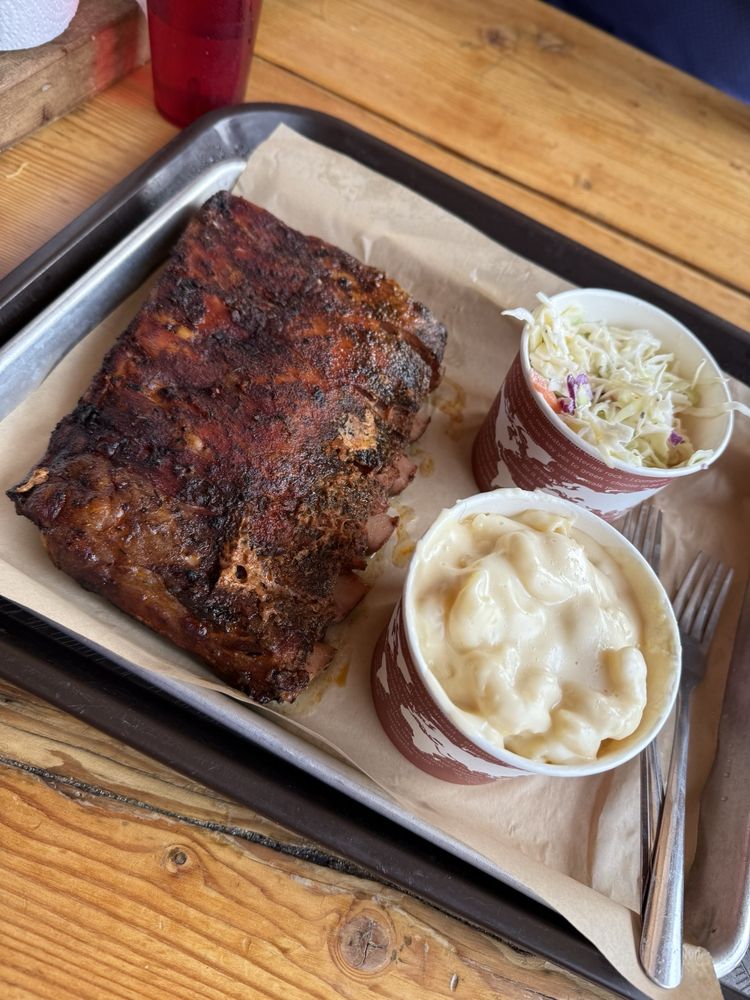
Explore popular things to do in the area, including A Gentlemans Assistant, BAO You Like It, and The Fitz.
| Name | Category | Distance | Reviews |
Ratings by
Yelp
|
|---|---|---|---|---|
| Dining | 0.02 miles | 1 review | 4/5 stars | |
| Dining | 0.02 miles | 2 reviews | 5/5 stars | |
| Dining · $$ | 0.35 miles | 161 reviews | 4.2/5 stars | |
| Dining | 0.35 miles | 13 reviews | 3.8/5 stars | |
| Dining · $$ | 0.45 miles | 25 reviews | 4.4/5 stars | |
| Active | 0.02 miles | 0 reviews | 0/5 stars | |
| Active | 0.02 miles | 0 reviews | 0/5 stars | |
| Active | 0.13 miles | 6 reviews | 5/5 stars | |
| Active | 0.17 miles | 4 reviews | 4.8/5 stars | |
| Active | 0.17 miles | 1 review | 5/5 stars | |
| Active | 0.48 miles | 2 reviews | 5/5 stars | |
| Active | 0.48 miles | 0 reviews | 0/5 stars | |
| Active | 0.48 miles | 0 reviews | 0/5 stars | |
| Active | 0.48 miles | 1 review | 5/5 stars | |
| Active | 0.48 miles | 0 reviews | 0/5 stars | |
| Nightlife | 0.2 miles | 18 reviews | 4.7/5 stars | |
| Beauty | 0.02 miles | 18 reviews | 5/5 stars | |
| Beauty | 0.02 miles | 0 reviews | 0/5 stars | |
| Beauty | 0.02 miles | 1 review | 5/5 stars | |
| Beauty | 0.02 miles | 0 reviews | 0/5 stars | |
| Beauty | 0.36 miles | 0 reviews | 0/5 stars | |
| Beauty | 0.38 miles | 18 reviews | 4.5/5 stars | |
| Beauty | 0.43 miles | 57 reviews | 4.9/5 stars | |
| Beauty | 0.48 miles | 0 reviews | 0/5 stars | |
|
|
||||
|
|
||||
|
|
||||
|
|
||||
|
|
||||
|
|
Vail has 2,435 households, with an average household size of 1.94. Data provided by the U.S. Census Bureau. Here’s what the people living in Vail do for work — and how long it takes them to get there. Data provided by the U.S. Census Bureau. 4,729 people call Vail home. The population density is 1,005 and the largest age group is Data provided by the U.S. Census Bureau.
Total Population
Population Density Population Density This is the number of people per square mile in a neighborhood.
Median Age
Men vs Women
Population by Age Group
0-9 Years
10-17 Years
18-24 Years
25-64 Years
65-74 Years
75+ Years
Education Level
Total Households
Average Household Size
Average individual Income
Households with Children
With Children:
Without Children:
Marital Status
Blue vs White Collar Workers
Blue Collar:
White Collar: